Cape Town Collections
Trace Cape Town’s story through the places where its past is still visible, from the earliest communities around Table Bay to colonial rule, slavery, resistance, segregation and democracy.
Cape Town wears its history unusually close to the surface. A walk through the centre can take you past a seventeenth-century fortress, mosques founded by formerly enslaved people, old churches and burial grounds, civic squares, grand colonial buildings and places shaped by resistance and forced removal. Together they tell a story far more complicated than the familiar tale of a city beginning with European settlement in 1652.
This collection brings those places together. Some are major landmarks with museums and exhibitions; others are modest buildings, squares and streets whose importance is easy to miss without knowing what happened there. Start with our History of Cape Town for the wider story, then use the landmarks below to explore that history where it happened.
The long read
From the first people around Table Bay to slavery, empire, forced removals and the democratic city
Cape Town’s history did not begin with the arrival of Jan van Riebeeck. Long before European settlement, Khoekhoe pastoralists and San hunter-gatherers lived across the Cape and moved through the landscapes surrounding Table Bay.
The centuries that followed brought Dutch and British colonial rule, slavery and emancipation, religious communities fighting for recognition, dispossession, segregation and forced removals, followed eventually by the democratic transition. Our long-form history connects those periods and the people who lived through them to places that can still be visited across Cape Town today.
Read the history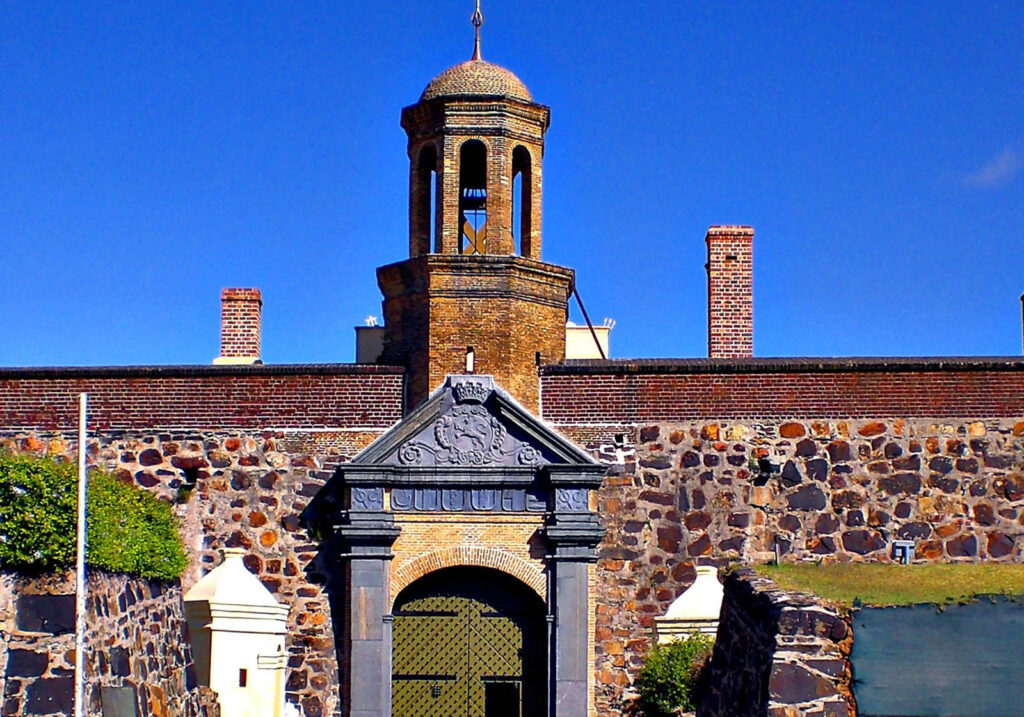
Featured landmark
Cape Town’s 17th-century pentagonal fortress and a layered museum of colonial history
Explore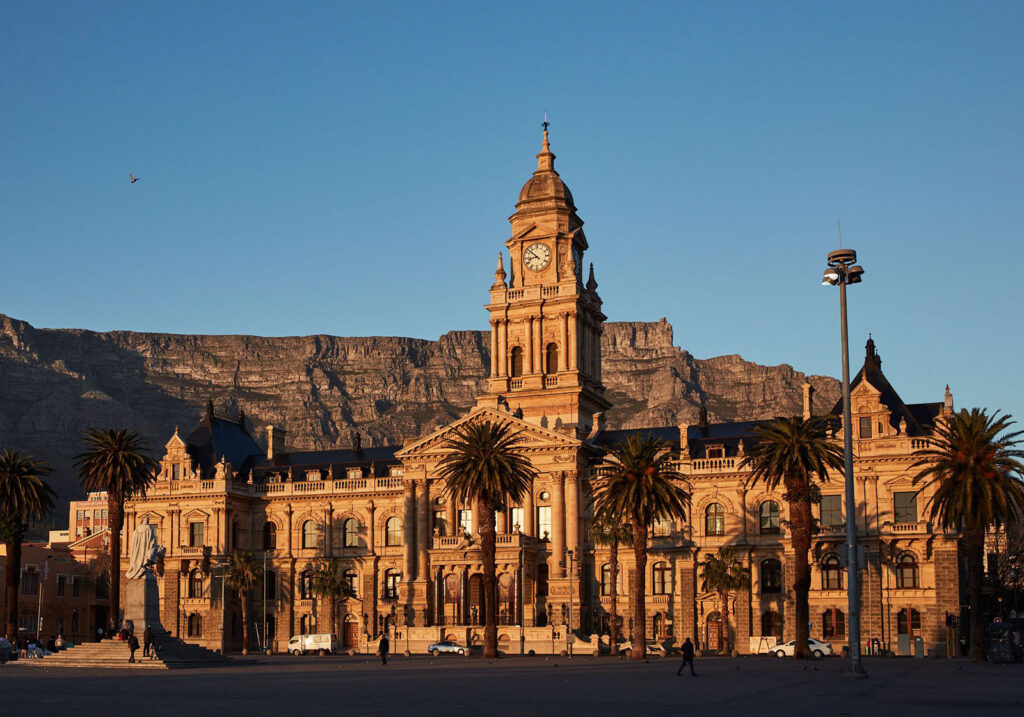
Featured landmark
Cape Town’s Edwardian civic landmark, facing the oldest public square in the city
Explore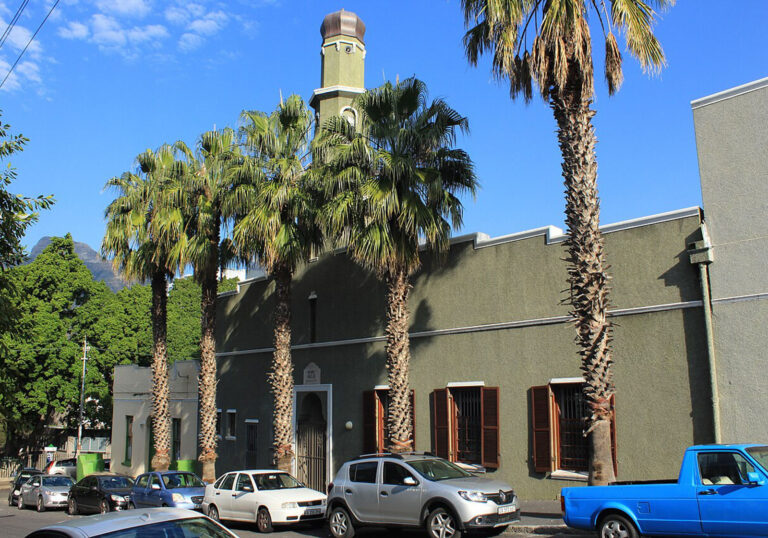
South Africa’s oldest mosque, still in daily use on a Bo-Kaap side street
Explore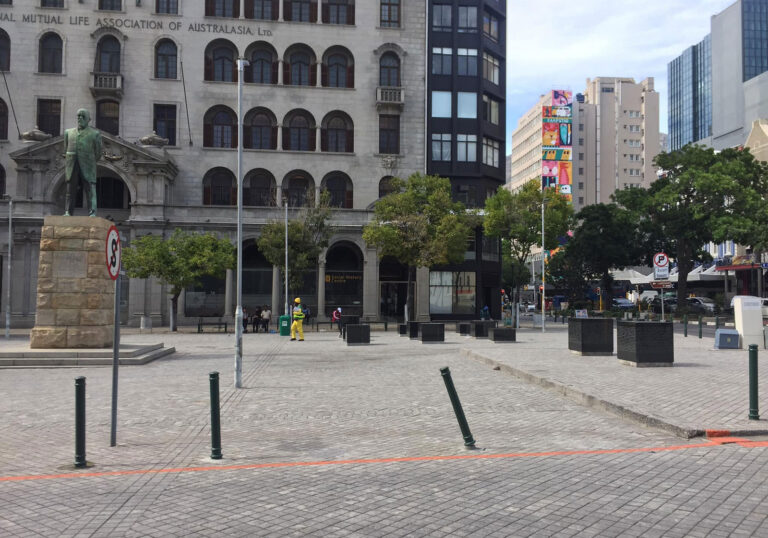
The city block where Cape Town’s church, courts and slave market met
Explore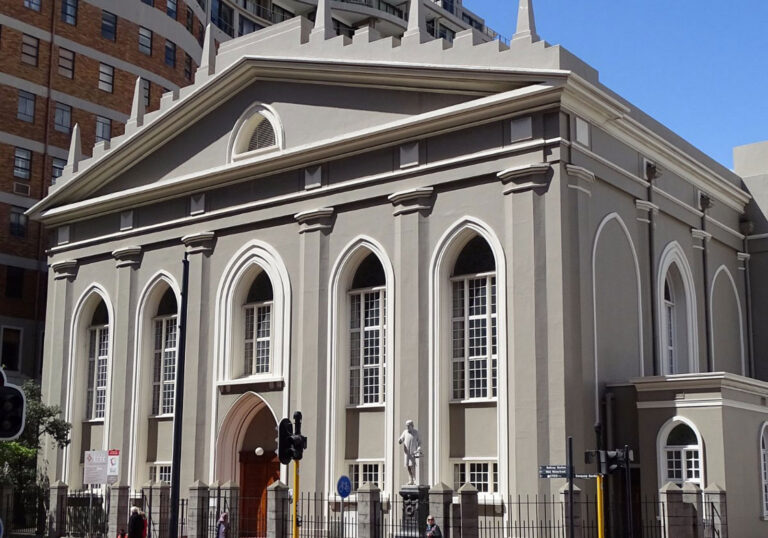
South Africa’s oldest congregation, in an 1841 church beside Church Square
Explore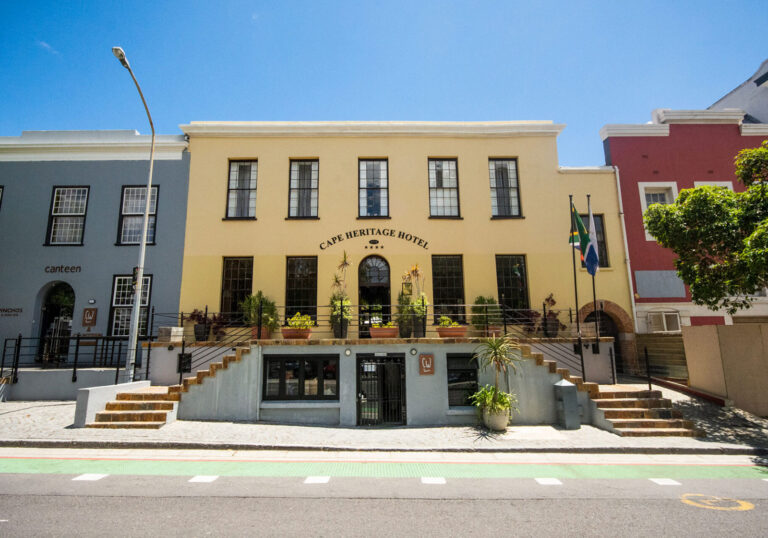
A block of the old town that Cape Town nearly cleared for a parking garage
Explore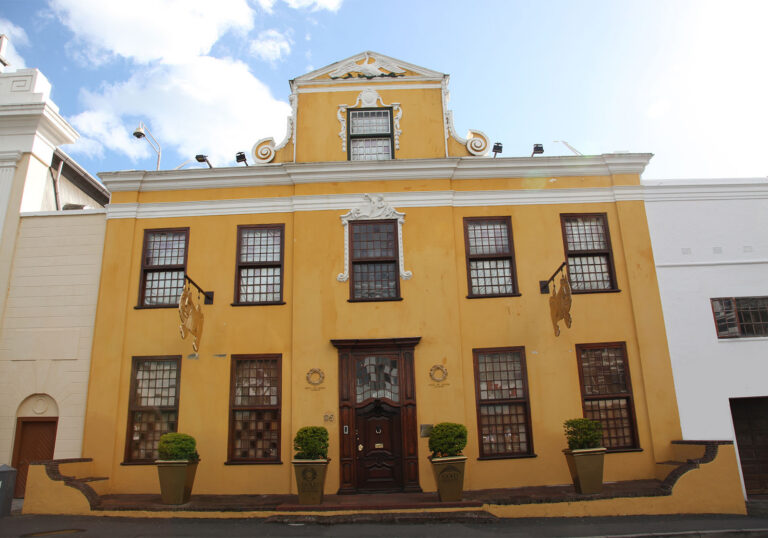
The Lutheran parsonage named after a man who never lived in it
Explore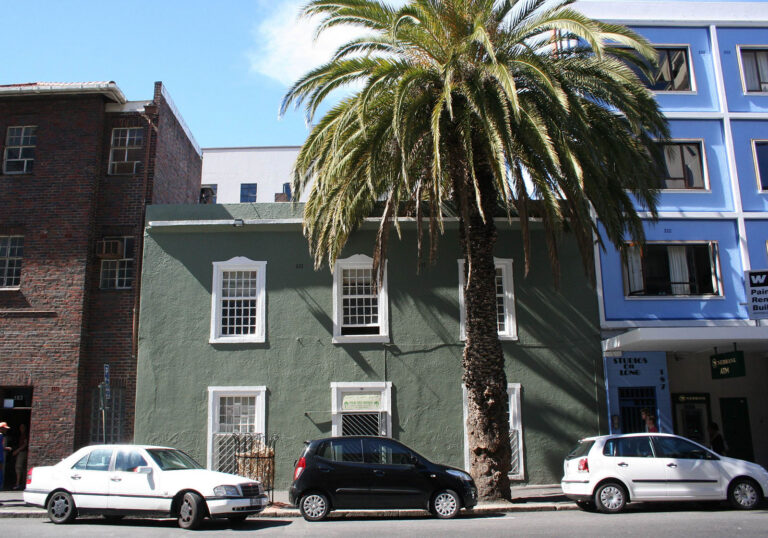
An eighteenth-century Long Street house that became Cape Town’s second mosque
Explore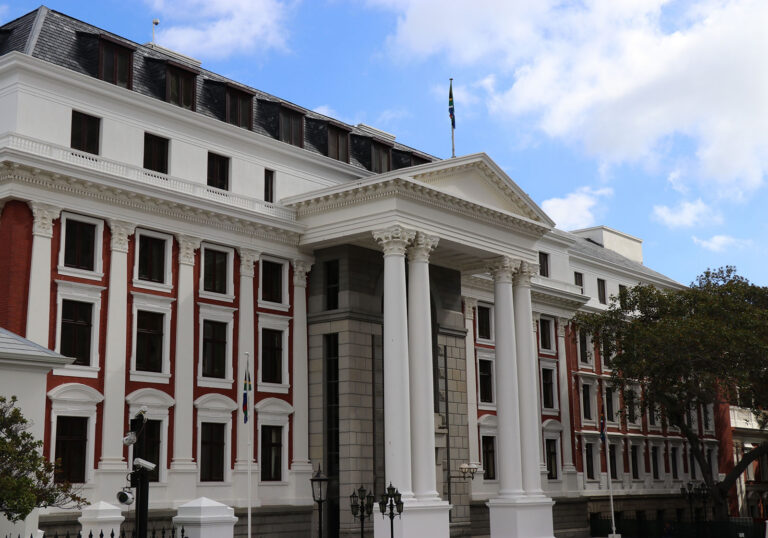
South Africa's legislative seat, in a walled precinct beside the Company's Garden
Explore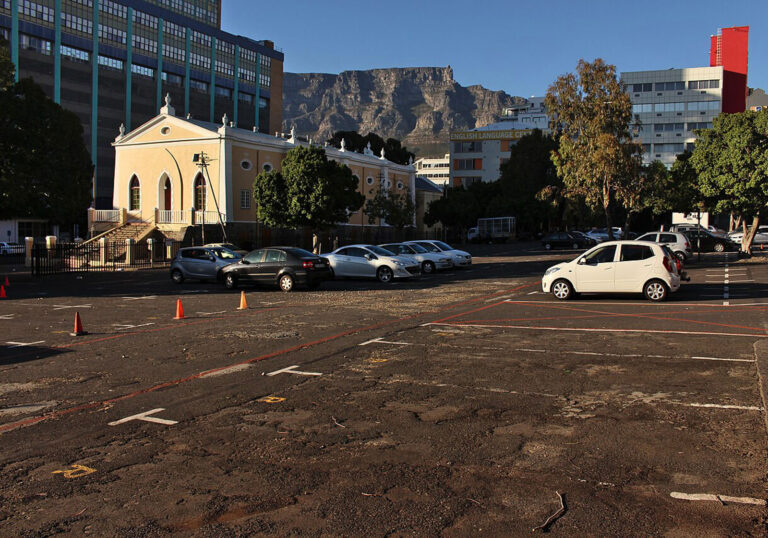
The farmers’ outspan that Cape Town grew around, now a car park between Bree Street and Buitengracht
Explore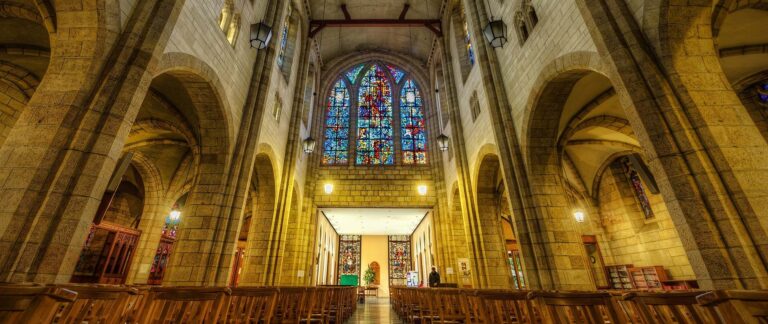
The oldest cathedral in southern Africa and a landmark of the anti-apartheid struggle.
Explore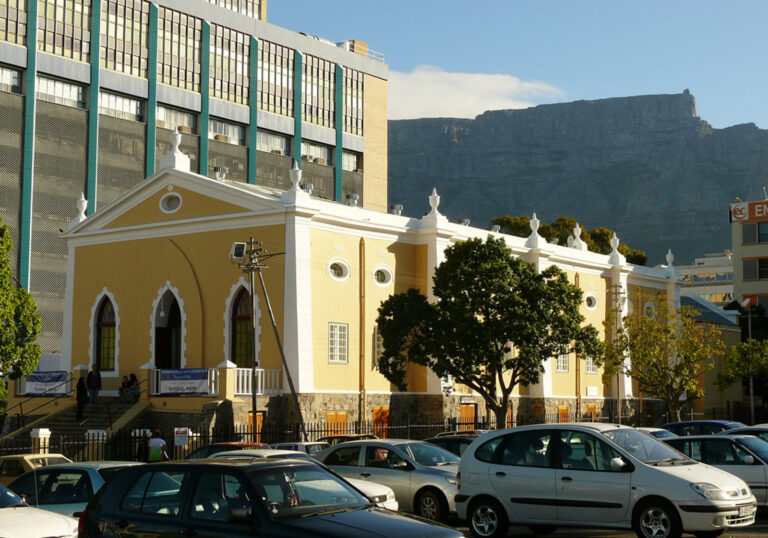
South Africa’s first purpose-built theatre, converted into a church for people freed from slavery
Explore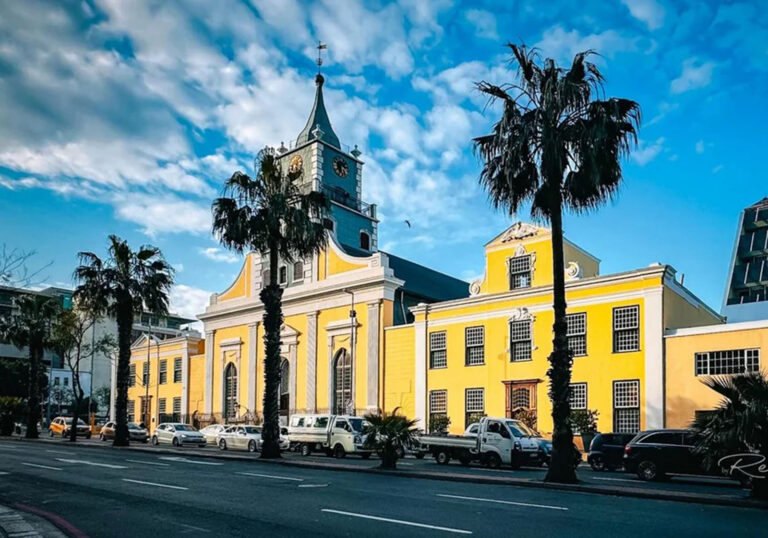
A warehouse built for Lutherans who were not allowed to build a church
Explore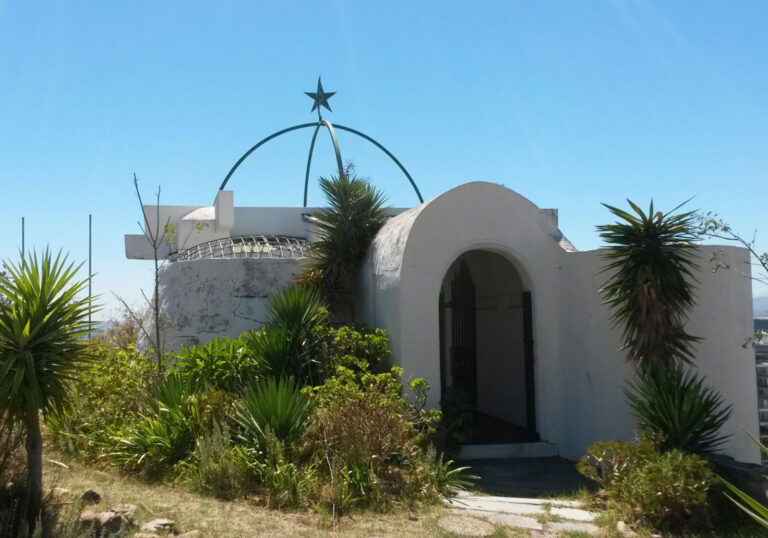
The burial ground of the founders of Islam at the Cape, on the slopes of Signal Hill
Explore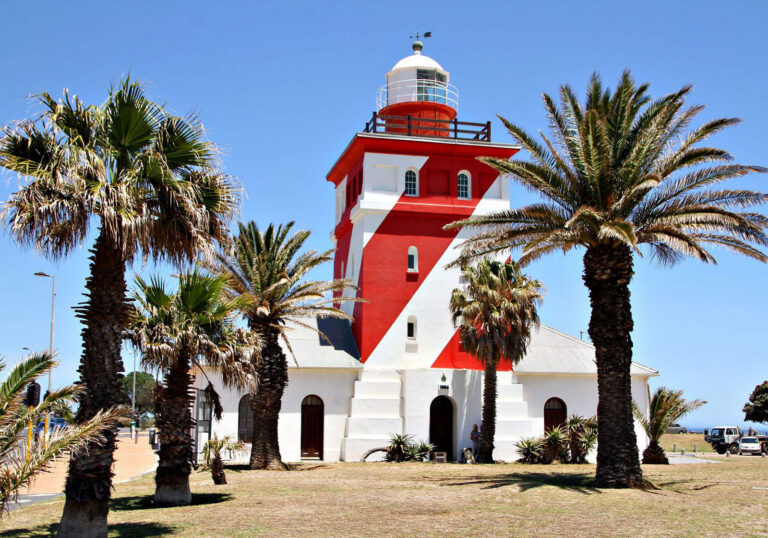
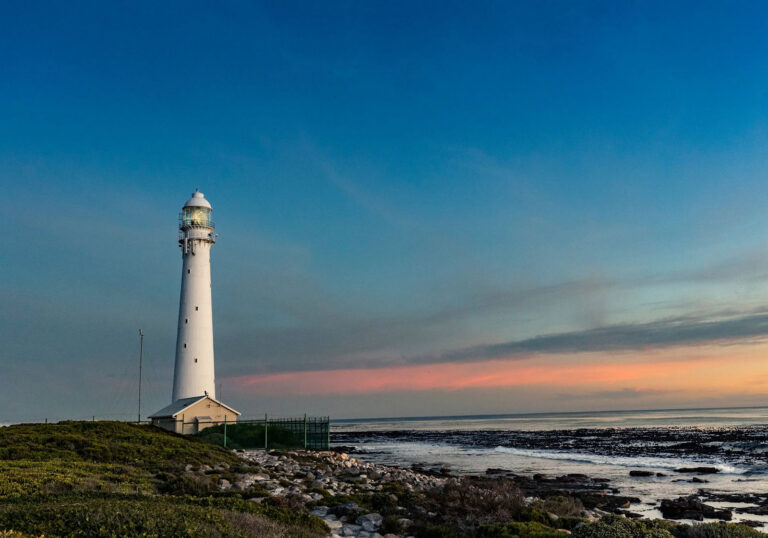
South Africa’s oldest operational lighthouse, on the Mouille Point shore
Explore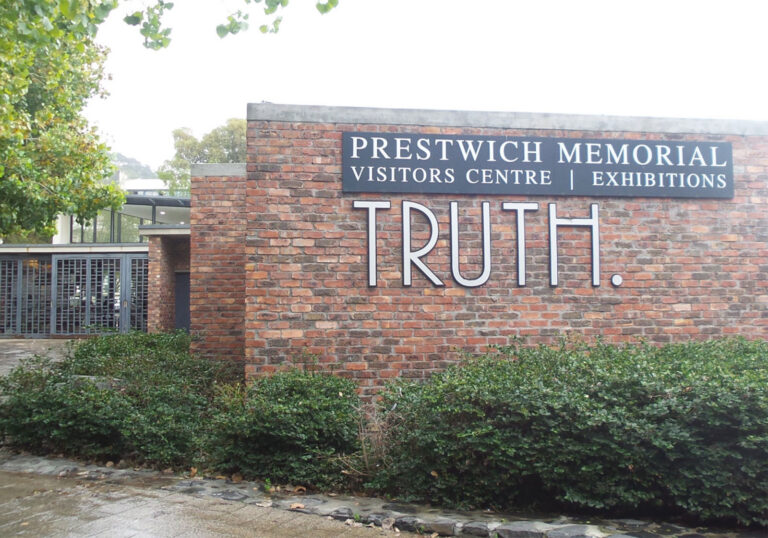
An ossuary holding the remains of Cape Town’s unrecorded dead, and the argument over how they came to be here
Explore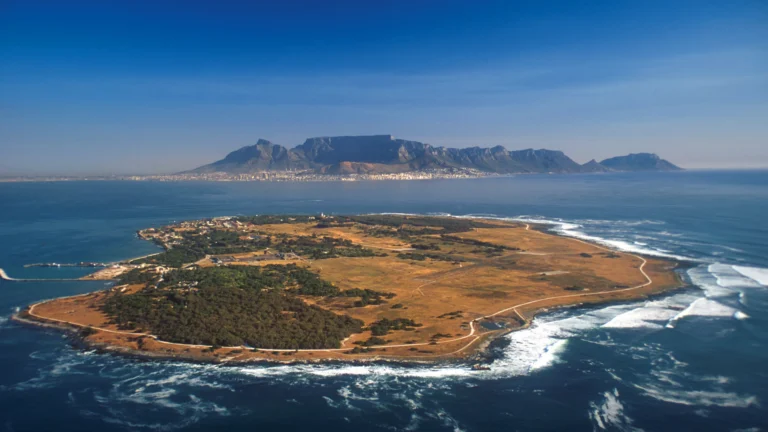
The UNESCO World Heritage island where Nelson Mandela was imprisoned, in Table Bay.
Explore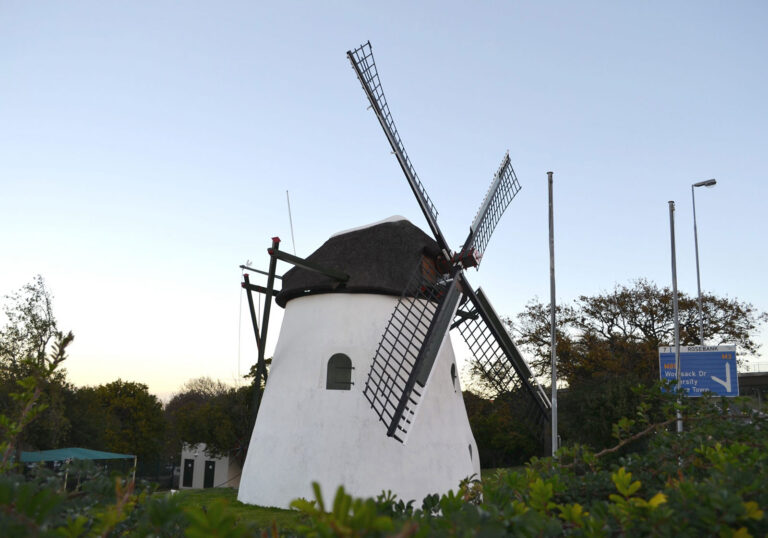
Cape Town’s restored 18th-century working windmill on the slopes of Devil’s Peak
Explore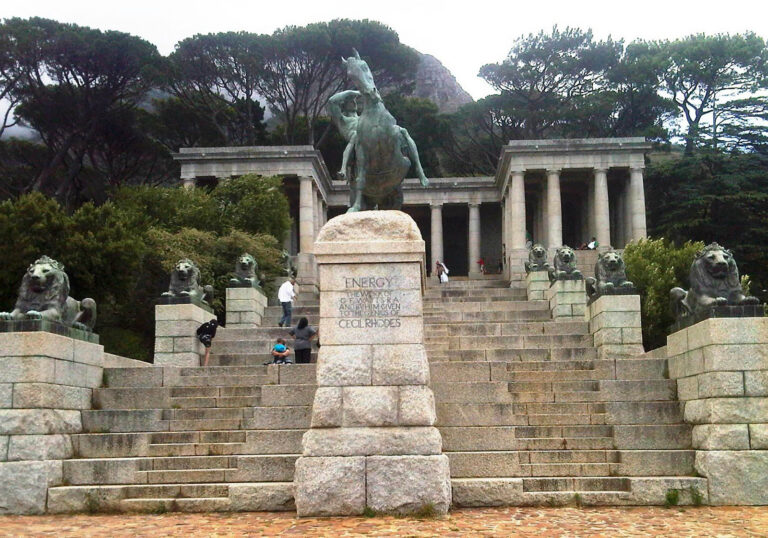
Monumental architecture, panoramic views and a contested colonial legacy on Devil’s Peak
Explore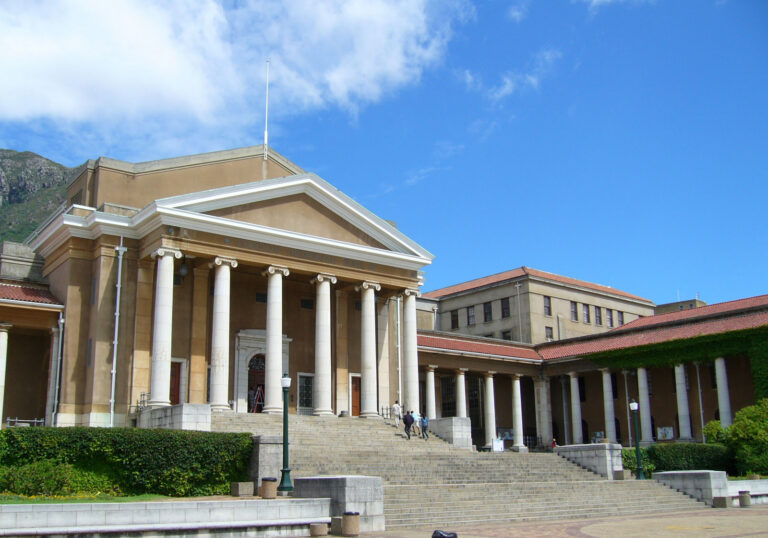
Historic sandstone architecture and panoramic city views beneath Devil’s Peak
Explore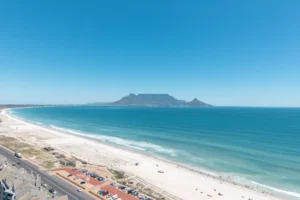 BeachesFrom sheltered coves to long Atlantic beaches and famous stretches of Cape sand.7 places
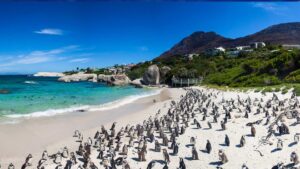 Birdwatching12 places
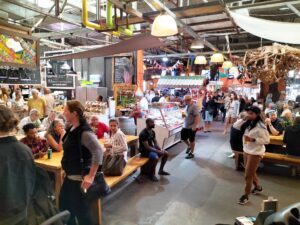 MarketsFood, crafts, local produce and neighbourhood markets worth browsing.7 places
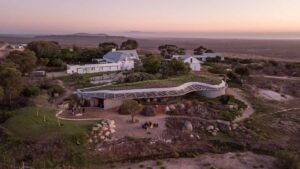 Museums & CultureMuseums, galleries and cultural places that tell the stories of the Cape.19 places
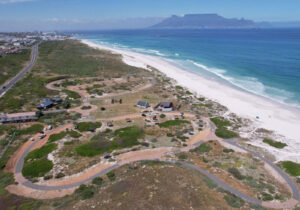 Nature & ParksMountains, reserves, gardens and protected landscapes around the city.32 places
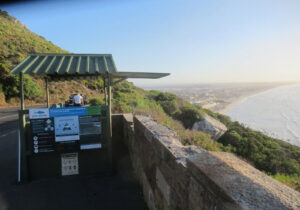 Scenic DrivesCape Town’s most memorable roads, where the journey is part of the experience.5 places
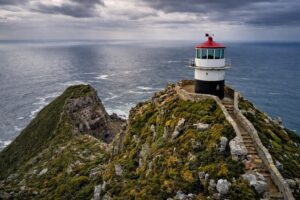 Scenic ViewpointsLookouts and elevated places for some of the city’s defining views.7 places
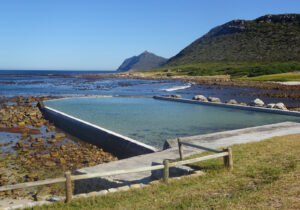 Tidal PoolsSeawater pools around the peninsula for swimming beside the ocean.9 places
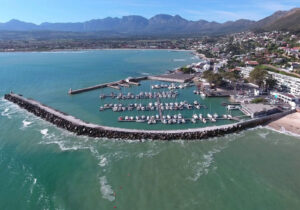 Waterfronts & HarboursWorking harbours, promenades and waterside places to explore.5 placesWildlifePlaces to encounter the remarkable animals and marine life of the Cape.14 places