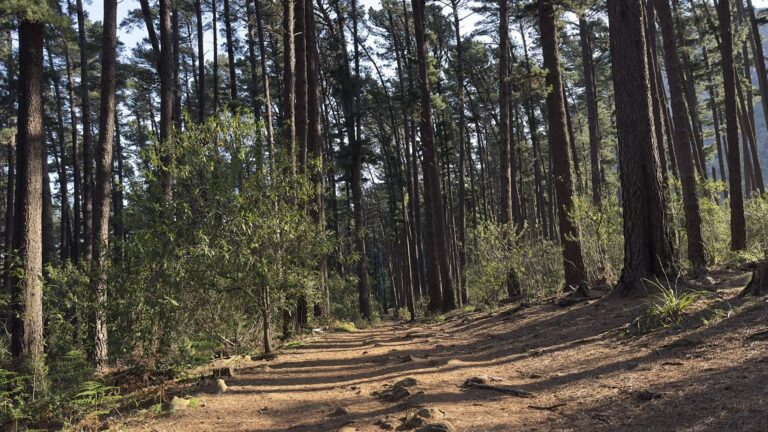
Tygerberg Nature Reserve protects 388 hectares of hillside in Cape Town’s northern suburbs, where the western slope still carries close to pristine Swartland shale renosterveld. The City of Cape Town records 562 plant species here, 23 of them threatened and three found nowhere else, alongside 24 mammal species, 137 bird species, reptiles, frogs and butterflies. Footpaths climb through the veld to the top of the hill, where the view opens out a full 360 degrees across the city. The Kristo Pienaar Environmental Education Centre at the reserve teaches biodiversity and ecology to school and university groups.
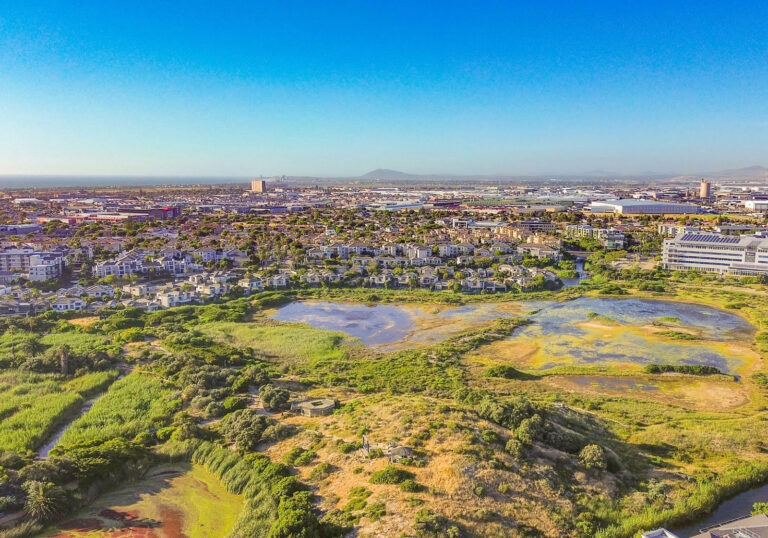
Cape Town’s northern suburbs have few large green spaces, and Tygerberg is the biggest of them. Where Intaka Island protects a constructed wetland inside Century City, Tygerberg conserves a whole hillside of the region’s original vegetation, and the top of that hill offers a view that takes in the entire city at once.
Proclaimed as a Section 23 nature reserve under the Protected Areas Act in 2016, the reserve covers 388 hectares of the Tygerberg hills. Its western slope carries close to pristine Swartland shale renosterveld, while the eastern slope consists of old ploughed fields that are being restored. The City of Cape Town records 562 plant species here. Twenty three of them are threatened, eight grow nowhere else in Cape Town and three are found only on Tygerberg.
Wildlife is more varied than the suburban setting suggests, with 24 mammal species, 137 bird species, 22 reptiles, seven frogs and numerous butterflies recorded in the reserve. Paths and walkways climb the slopes, used by walkers, hikers and runners from the neighbouring suburbs as much as by visitors, and picnic areas make it easy to stay for a morning. From the top the view runs a full 360 degrees, with Table Mountain and the city bowl rising across the flats, and the City notes that the same view shows plainly how meagre the remaining patches of natural vegetation are amid the urban sprawl.
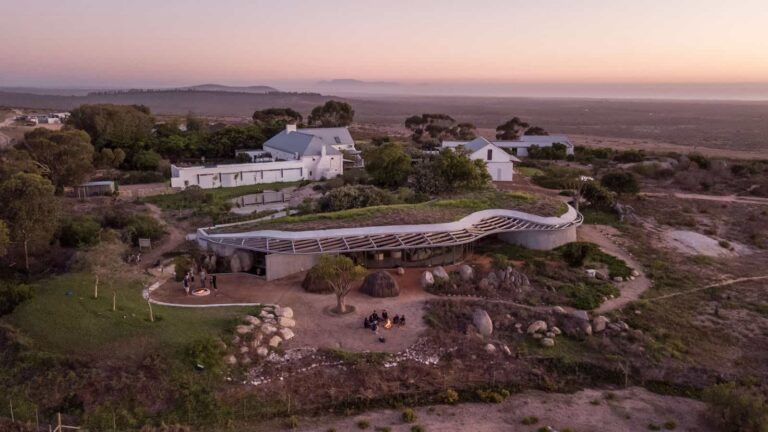
The Kristo Pienaar Environmental Education Centre is the reserve’s teaching base. It runs lessons in biodiversity and ecology for school, college and university groups, holds a resource centre with a library and a herbarium, and its hall can be hired for conferences and meetings, though it is not zoned for social functions. Partner groups add to the programme, with the Friends of the Tygerberg Hills running monthly enviro talks, the Tygerberg Bird Club arranging bird talks and bird ringing, and the Custodians of Rare and Endangered Wildflowers handling hike and rare plant survey enquiries.
Highlights
- 388 hectares of protected hillside in Cape Town’s northern suburbs
- A 360 degree view over the city from the top of the reserve
- Close to pristine Swartland shale renosterveld on the western slope
- 562 recorded plant species, three of them found only on Tygerberg
- 137 bird species and 24 mammal species recorded in the reserve
- The Kristo Pienaar Environmental Education Centre, with library and herbarium
Tips
Gate payment is cashless, so bring a card. The slopes are open and exposed, so start early on warm days and carry water. Keep to the paths, as the western slope holds rare renosterveld plants.
Frequently Asked Questions
What makes Tygerberg Nature Reserve special?
It protects 388 hectares of the Tygerberg hills, including a western slope of close to pristine Swartland shale renosterveld. The City of Cape Town records 562 plant species in the reserve, 23 of them threatened, eight found nowhere else in Cape Town and three found only on Tygerberg.
When is Tygerberg Nature Reserve open?
From 1 May to 31 August the reserve is open daily from 07:30 to 17:00. From September to April it opens from 07:30 to 18:00 on weekdays and from 07:30 to 19:00 on weekends and public holidays. It is closed on Christmas Day and Good Friday.
How much does it cost to enter?
On the City of Cape Town 2026/27 tariffs, daily entry is R40 for adults from 18 years and R20 for children aged 3 to 17, pensioners from 60 and students with a valid card. Children under 3 and members of the Friends of the reserve enter free. The gates are cashless.
What is there to do at the reserve?
Walking and hiking on the reserve paths, running, picnicking and educational programmes. The climb to the top of the hill is the main draw, for a 360 degree view over Cape Town.
Can school and student groups visit?
Yes. The Kristo Pienaar Environmental Education Centre runs lessons in biodiversity, ecology and related topics for school learners and for university and college students, and its hall can be hired for conferences and meetings. Bookings are on 021 444 9263.