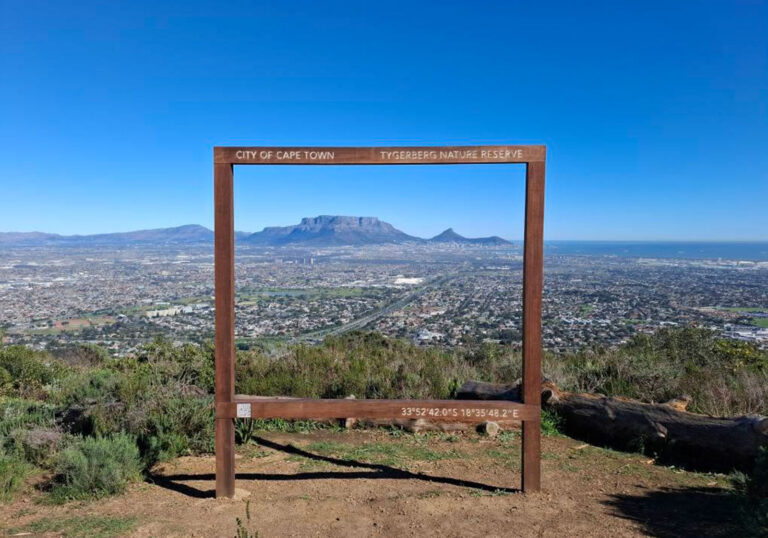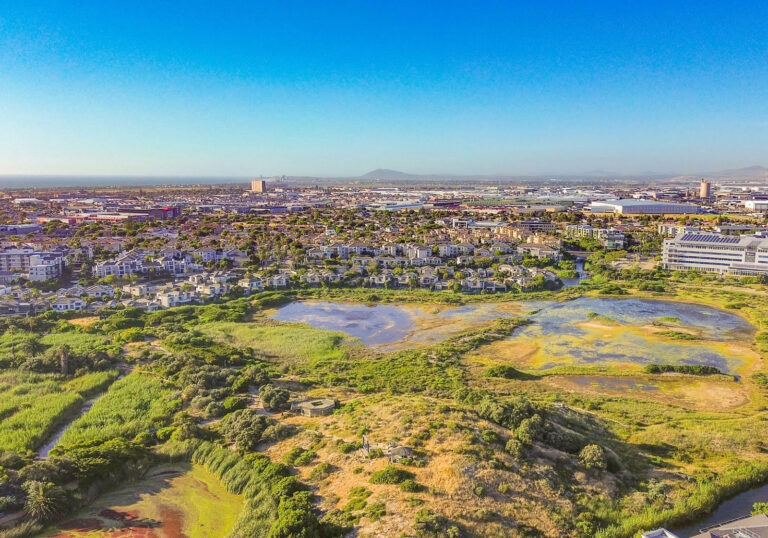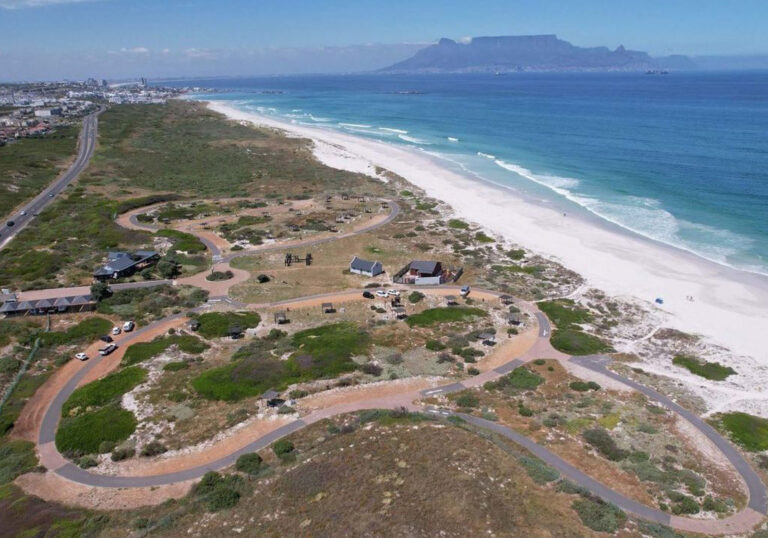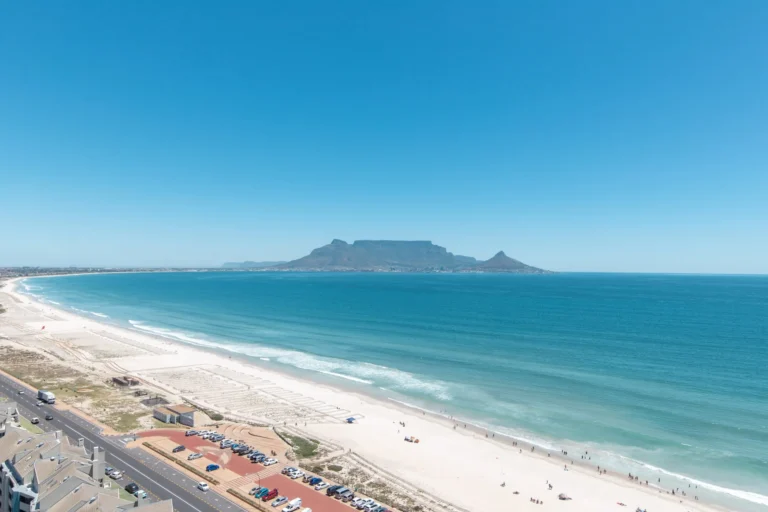
Durbanville Nature Reserve protects six hectares on Racecourse Road where critically endangered Swartland Shale Renosterveld meets Cape Flats Sand Fynbos. Around 241 plant species grow here, and the reserve exists because a population of Aristea lugens, once believed extinct, was found on the site. Short trails, wheelchair-friendly pathways and picnic sites make it an easy hour or two rather than a day out.
Durbanville Nature Reserve is small enough to walk in an hour and important enough to have been protected on purpose. It covers six hectares on Racecourse Road in Durbanville, on the edge of a suburb that grew up around it, and it holds the meeting point of two critically endangered vegetation types: Swartland Shale Renosterveld and Cape Flats Sand Fynbos.
The reserve owes its existence to a single plant. A small population of Aristea lugens, an iris relative that had been thought extinct, was found on this ground, and the discovery made the case for conserving the last remnant of renosterveld left in the area. What survives is a fragment, but it is a working fragment rather than a display garden.
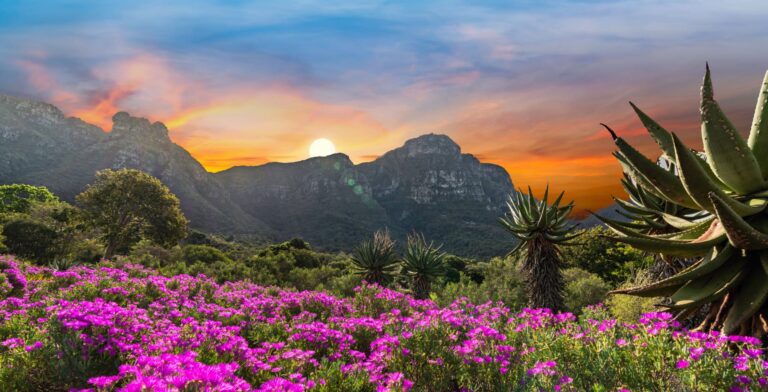
The City records roughly 241 plant species here. Three of them occur nowhere else but Cape Town and six are threatened with extinction, which is a remarkable density for a site this size. Spring is when that matters most to a visitor: renosterveld is unspectacular for much of the year and then turns over into flower, and the difference between a July walk and a September walk is considerable.
There is enough wildlife to keep a slow walk interesting. Cape sugarbirds, lesser double-collared sunbirds and Cape spurfowl are all recorded in the reserve, along with small grey mongoose and angulate tortoise. The endemic and vulnerable Cape rain frog is heard rather than seen, and only after rain.
Practically, the reserve is set up for short visits rather than long expeditions. There are walking trails and wheelchair-friendly pathways, and picnic sites at the main entrance and in the southern section. A small environmental education centre runs programmes for school groups and can be hired for functions and meetings, but anything organised needs to be arranged with reserve management in advance. Pets are not permitted.
Highlights
- Six hectares where Swartland Shale Renosterveld meets Cape Flats Sand Fynbos
- Around 241 plant species, six of them threatened with extinction
- Aristea lugens, the plant thought extinct that led to the reserve
- Wheelchair-friendly pathways and short walking trails
- Picnic sites at the main entrance and in the southern section
- Cape sugarbirds, sunbirds and spurfowl in a suburban setting
Tips
Come in spring if you can, when the renosterveld and fynbos are flowering. Check the season before planning a weekend visit, because the reserve is closed on weekends from May to August. Anything organised, including school programmes, guided activities or hiring the education centre, needs to be arranged with reserve management beforehand. Leave pets at home.
Frequently Asked Questions
What is Durbanville Nature Reserve?
It is a six-hectare City of Cape Town reserve on Racecourse Road in Durbanville, protecting a remnant where critically endangered Swartland Shale Renosterveld meets Cape Flats Sand Fynbos. It is a compact botanical reserve rather than a large hiking area.
What does it cost to enter?
Entry is free, as listed by the City of Cape Town.
When is the reserve open?
Weekdays from 07:30 to 16:00. From September to April it also opens on Saturday from 08:00 to 13:00 and Sunday from 12:00 to 17:00. From May to August it is closed on weekends.
How long should I allow for a visit?
An hour or two is enough for most people. The reserve is small, the trails are short and the interest is in the plants and birds rather than distance covered.
Can I bring my dog or arrange a guided visit?
Pets are not permitted in the reserve. Guided and environmental education activities are available, including programmes for schools, but they must be booked with reserve management in advance.