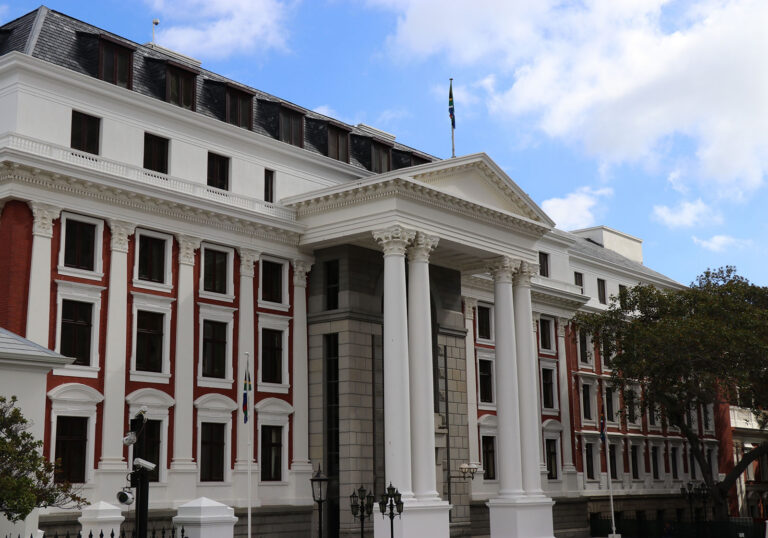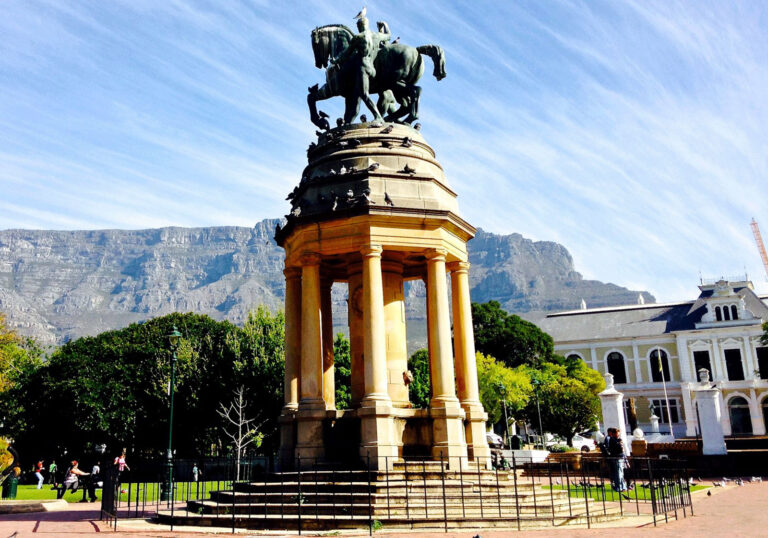
Cape Town City Hall faces the Grand Parade, the city’s oldest public square, with Table Mountain rising behind it. The Edwardian building opened in 1905, and its balcony is where Nelson Mandela made his first speech as a free man in 1990. Building and square work as a single landmark, and both can be appreciated entirely from the outside.
Cape Town City Hall stands on the edge of the Grand Parade, a long Edwardian facade in honey-coloured stone with a clock tower at its centre and Table Mountain filling the sky behind it. It is one of the most photographed buildings in the city and one of the easiest to underestimate, because the open square in front of it can look at first like little more than a large paved space with a good view. That square is in fact the oldest public space in Cape Town, and the balcony above the entrance is where Nelson Mandela spoke to the country on the day he walked free.
The building opened in 1905, near the end of a period when Cape Town was growing quickly and wanted a civic headquarters to match its ambitions. It was designed in an ornate Edwardian style, richly worked with columns, arches and carved detail, and built from a warm honey-coloured limestone brought from Bath in England, which is why it glows in low sun in a way no other building in the city centre quite does. The clock tower is a scaled-down echo of the one at Westminster, and it carries a carillon of bells that still sounds across the square.
City Hall served as the seat of Cape Town’s municipal government for most of the twentieth century, until the city administration moved to a modern civic centre in the late 1970s. Rather than falling out of use, the building shifted towards culture. Its auditorium and large pipe organ made it the city’s principal concert hall, and it remains a working venue rather than a preserved monument.
The Grand Parade in front of it is older than the building by two and a half centuries. This is where the Dutch East India Company built its first earth-and-timber fort in 1652, before the stone Castle replaced it a short distance away. Once the fort was gone the ground became a military parade ground, which is where the name comes from, and it has been public open space ever since. Over the centuries it has held drills, proclamations, markets, protests and political rallies, and it is still one of the few places in the central city large enough to gather a crowd.
That capacity is why the square matters. On 11 February 1990, hours after walking out of Victor Verster Prison, Nelson Mandela came here and addressed an enormous crowd from the City Hall balcony. It was his first public speech in twenty-seven years, and the moment South Africa’s transition became visible in the street rather than in negotiating rooms. A bronze statue of him now stands on that balcony looking out over the Parade, which makes the connection legible even to a visitor who arrives knowing nothing about the building.
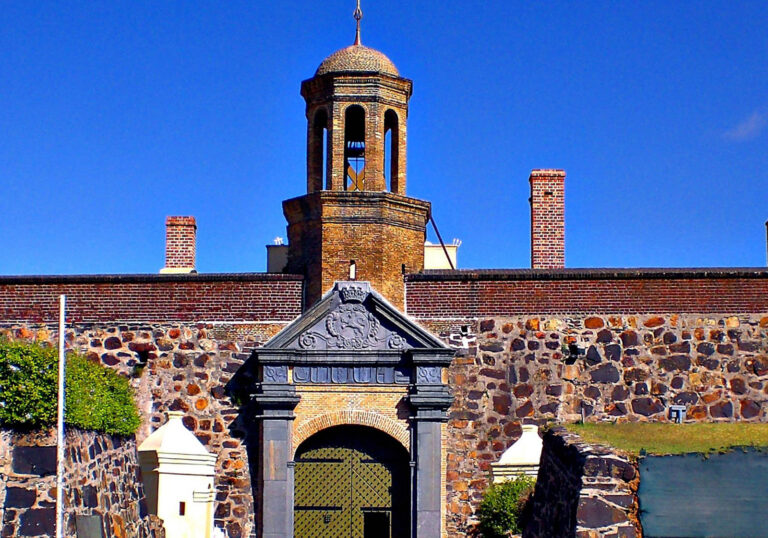
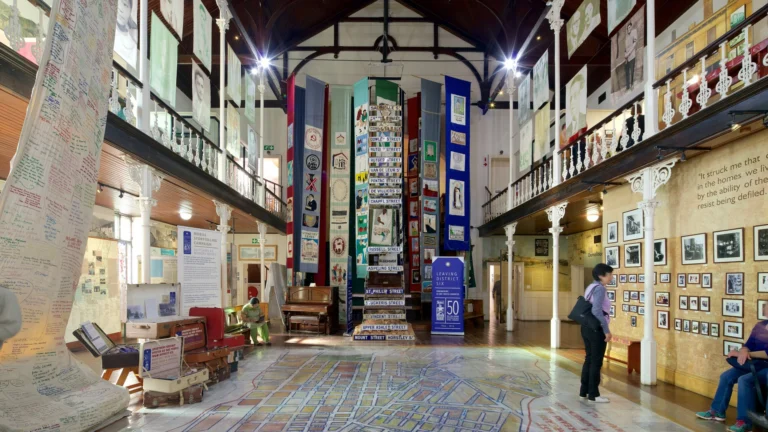
Standing on the Parade is a useful way to grasp how tightly Cape Town’s history is packed together. The Castle of Good Hope, the oldest surviving colonial building in the country, sits directly across the square. The site of the original 1652 fort is beneath your feet. City Hall represents the confident colonial city of the early twentieth century, and the balcony above its entrance represents the end of the system that city helped build. District Six, cleared under apartheid, began just up the hill. Four very different chapters of the same story sit within a few hundred metres of one another.
As an experience this is straightforward and mostly exterior. You can walk the square, photograph the building from a distance that actually fits it into the frame, look up at the balcony and the clock tower, and then carry on to the Castle or into the rest of the historic centre. The Parade is a working urban space rather than a manicured plaza: parts of it are given over to parking, trading and events, it is busy on some days and close to empty on others, and it can feel exposed when the wind is up. City Hall itself is an active civic and cultural venue, so interior access depends on current arrangements. Check ahead if seeing inside is important to your visit.
Highlights
- Edwardian City Hall in honey-coloured limestone, opened in 1905
- The balcony where Nelson Mandela made his first speech as a free man in 1990
- Cape Town’s oldest public square, in civic use since the seventeenth century
- Clock tower and carillon facing the length of the Grand Parade
- Table Mountain rising directly behind the building
- A few minutes on foot from the Castle of Good Hope and the historic centre
Frequently Asked Questions
Why is Cape Town City Hall historically important?
It was the seat of Cape Town’s municipal government for most of the twentieth century, and it is the building from whose balcony Nelson Mandela addressed the country on 11 February 1990, hours after his release from prison. Together with the Grand Parade in front of it, it is one of the most significant civic sites in South Africa.
Where did Nelson Mandela give his first speech after being released?
From the balcony of Cape Town City Hall, to a vast crowd filling the Grand Parade, on 11 February 1990. He had left Victor Verster Prison only hours earlier. A bronze statue of him now stands on the balcony, facing the square.
What is the Grand Parade?
The oldest public square in Cape Town. The Dutch East India Company built its first fort on the site in 1652, before the stone Castle of Good Hope replaced it nearby. The ground then became a military parade ground, which gave the square its name, and it has been open public space ever since, used for markets, gatherings, protests and civic events.
Can you go inside Cape Town City Hall?
City Hall is an active civic and cultural venue, so interior access depends on current arrangements. Check ahead if seeing inside is important to your visit. The exterior, the balcony and the square can be seen freely at any time.
What else is worth seeing nearby?
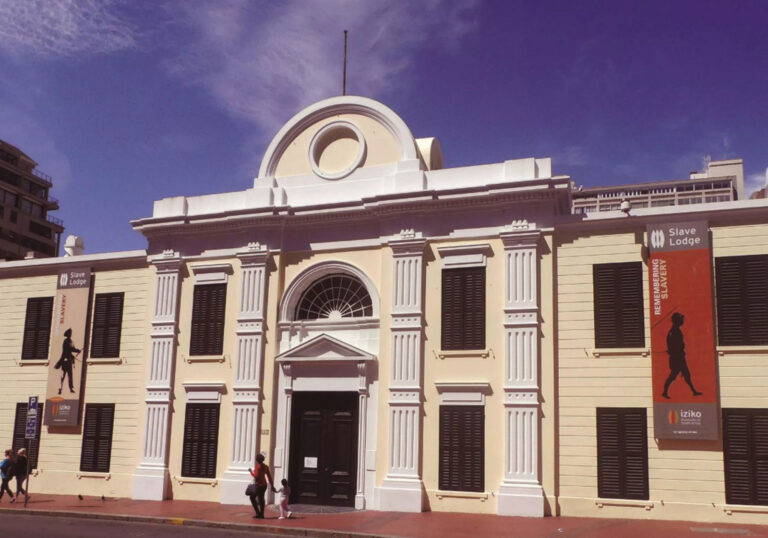
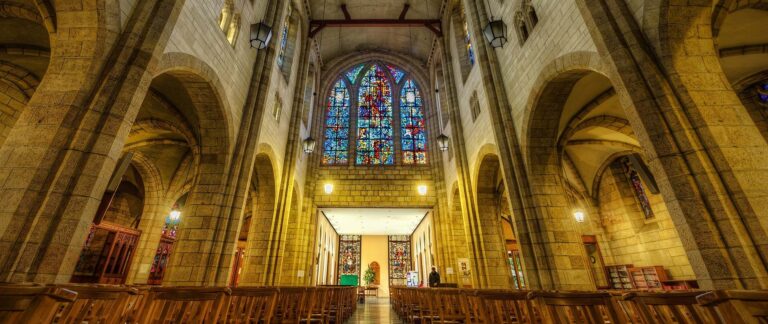
The Castle of Good Hope stands directly across the Grand Parade. The District Six Museum is a short walk up Buitenkant Street, and the Slave Lodge, St George’s Cathedral, Parliament and the Company’s Garden are all within about ten minutes on foot along Adderley Street and Wale Street.