Wolfgat Nature Reserve protects 262 hectares of limestone cliff, dune and coastal strandveld on the False Bay shoreline at Mitchells Plain, between Mnandi and Monwabisi. It takes its name from the strandwolf, or brown hyena, after a fossil den dating back roughly 45 000 years was found in the cliffs in 1962. Entry is free, the reserve keeps weekday office hours, and the City asks visitors to stay on the paths and to walk in groups.
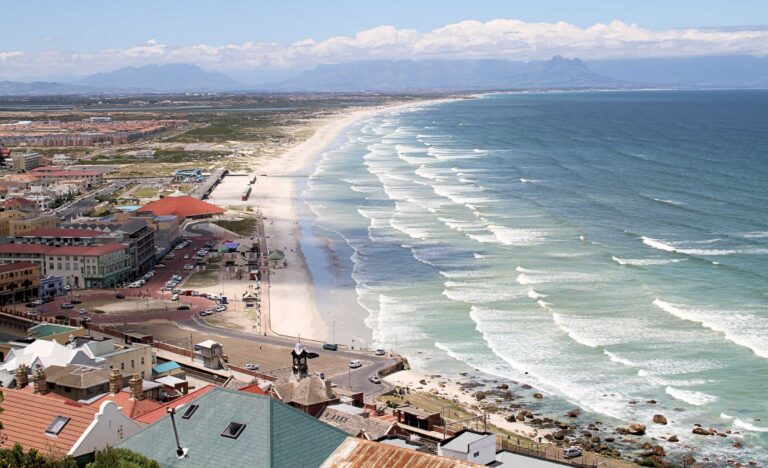
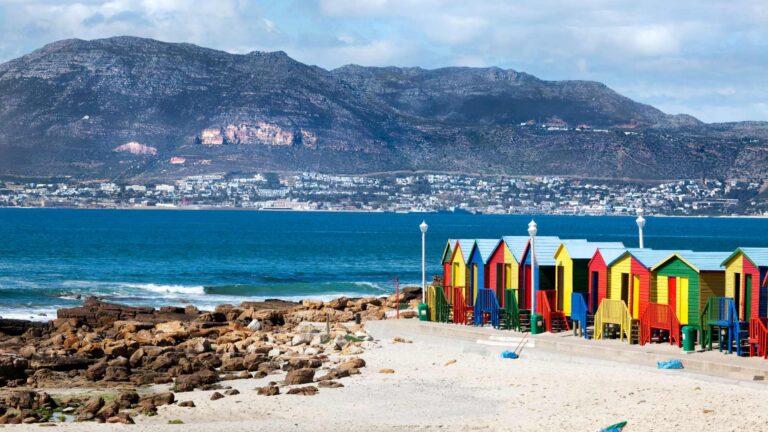
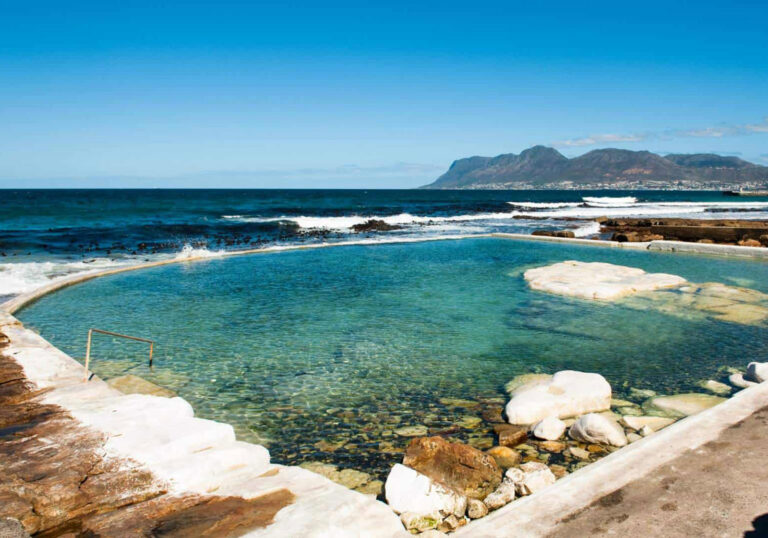
Wolfgat is not a beach and it is not a hiking destination. It is 262 hectares of limestone cliff, dune and coastal scrub held between Mnandi and Monwabisi on the False Bay shore at Mitchells Plain, proclaimed in 1986 to protect one of the last undeveloped stretches of this coastline. The City describes the views from its limestone cliffs as spectacular, and those cliffs are the point of the place.
The name carries the reserve's most remarkable story. Wolfgat refers to the strandwolf, or brown hyena, which still occurred around Cape Town in the 1840s. In 1962 a brown hyena fossil den was found in the Wolfgat cliffs and dated to roughly 45 000 years ago, which makes this an archaeological site as much as a scenic one. Shell middens along the same shoreline record much later human use of this coast.
Above the cliffs the reserve holds Cape Flats Dune Strandveld, the low, silvery, salt-tolerant vegetation that once covered this entire coast and now survives mostly in fragments. It flowers seasonally, it supports coastal birdlife, and it is what keeps the dune system standing. Much of Wolfgat's value lies in what it has prevented rather than what it offers: this is one of the few places on the Cape Flats coast where the sequence of beach, dune, cliff and strandveld is still unbroken.
The City lists hiking and walking, picnics and educational programmes as the activities here, and describes the reserve as a destination for picnicking, fishing and paragliding, the last of which makes more sense once you have seen the cliffs. Facilities on site are modest and appropriate: paths and walkways, picnic areas and an environmental education centre. An education officer assists schools with field trips of thirty to forty learners, while larger groups can arrange coastal hikes and clean-up campaigns. Bookings for those are essential.
Access runs on office hours rather than daylight. The reserve is open Monday to Friday from 07:30 to 16:00 and entry is free, with no weekend hours published. The City asks visitors not to wander from the designated trails and pathways, never to walk or hike alone, and to confirm their presence or planned activities with reserve management before setting out. Those conditions are worth taking at face value: Wolfgat is a genuinely wild piece of coastline rather than a staffed visitor attraction.
Highlights
- Limestone sea cliffs with wide views across False Bay
- A brown hyena fossil den in the cliffs dated to roughly 45 000 years ago
- Cape Flats Dune Strandveld, a vegetation type now surviving in fragments
- 262 protected hectares of dune and coastal scrub between Mnandi and Monwabisi
- Free entry, with paths, walkways and picnic areas on site
- An environmental education centre running school field trips by arrangement
Tips
The reserve keeps office hours rather than daylight hours, so time a visit for a weekday between 07:30 and 16:00. The City asks visitors to stay on the designated trails and pathways, to walk in a group rather than alone, and to let reserve management know they are there. Leave pets at home. School and group programmes, including coastal hikes and clean-up campaigns, must be booked in advance through the education officer.
Frequently Asked Questions
What is Wolfgat Nature Reserve?
It is a City of Cape Town coastal nature reserve of 262 hectares on Baden Powell Drive at Mitchells Plain, on the False Bay shore between Mnandi and Monwabisi. It protects limestone sea cliffs, dunes and coastal strandveld, and it is named after the strandwolf, or brown hyena, whose fossil den was found in the cliffs.
Is there an entrance fee?
No. The City lists free entry to Wolfgat Nature Reserve.
What are the opening hours?
The City lists the reserve as open Monday to Friday from 07:30 to 16:00. No weekend hours are published, so plan a weekday visit and contact the reserve office if you need to confirm access.
Why is it called Wolfgat?
The name refers to the strandwolf, or brown hyena, which still occurred around Cape Town in the 1840s. In 1962 a brown hyena fossil den dating back roughly 45 000 years was found in the Wolfgat cliffs, and the reserve takes its name from that discovery.
Is it safe to visit alone?
The City advises visitors not to wander from designated trails and pathways, never to hike or walk alone, and to confirm their presence or planned activities with reserve management. Walking in a group is the reserve's own guidance rather than general caution.
Can school groups visit?
Yes. An education officer assists schools with field trips for groups of thirty to forty learners, and larger groups can take part in programmes such as coastal hikes and clean-up campaigns. Bookings are essential.