
Meerlust Wine Estate
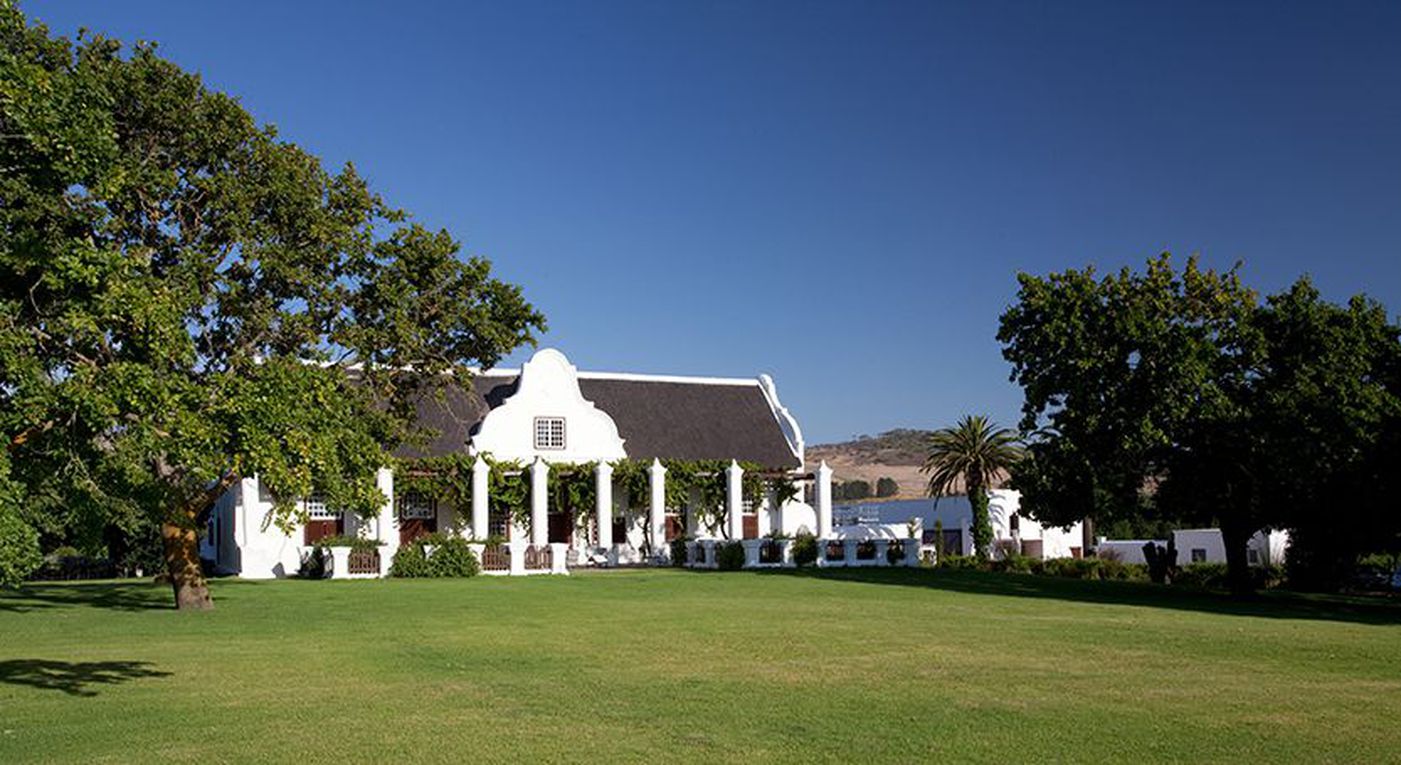
Meerlust has been in the same family for eight generations and is the home of Rubicon, the Bordeaux-style blend that gave the Cape a reference point for the style. The werf is a national monument, the range is entirely estate-grown, and the tastings are unhurried. The sea is close enough here to matter to the wine.
Hartenberg Wine Estate
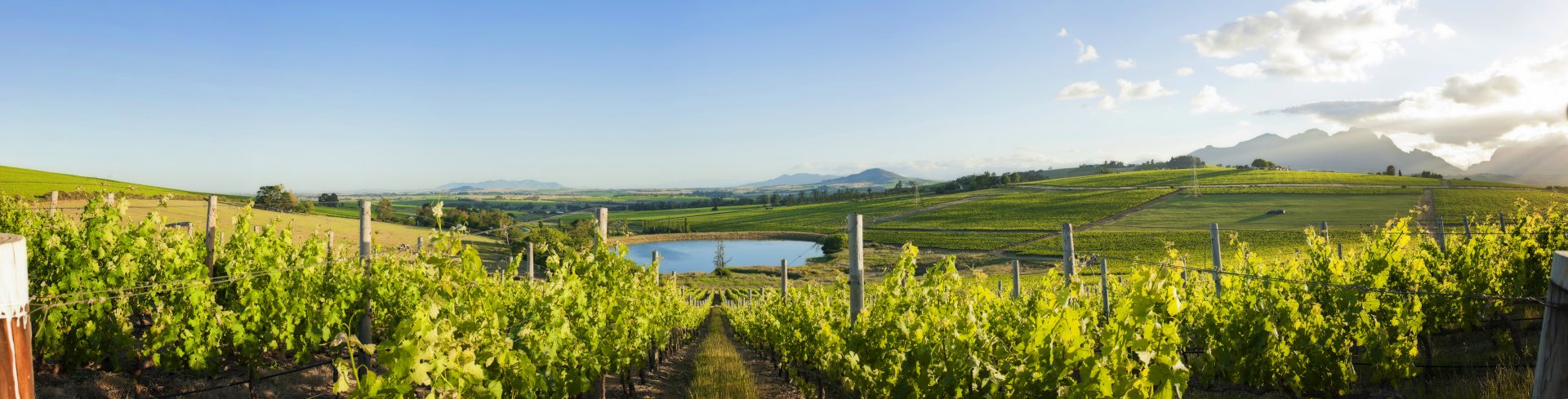
Hartenberg built its name on Shiraz and still leads with it, from The Stork down to the single-vineyard Gravel Hill. The farm has moved to regenerative practice in the vineyards, and the guided tastings take you into the underground Vinoteque. Food is farm-style and seasonal rather than fine dining.
DeMorgenzon Wine Estate
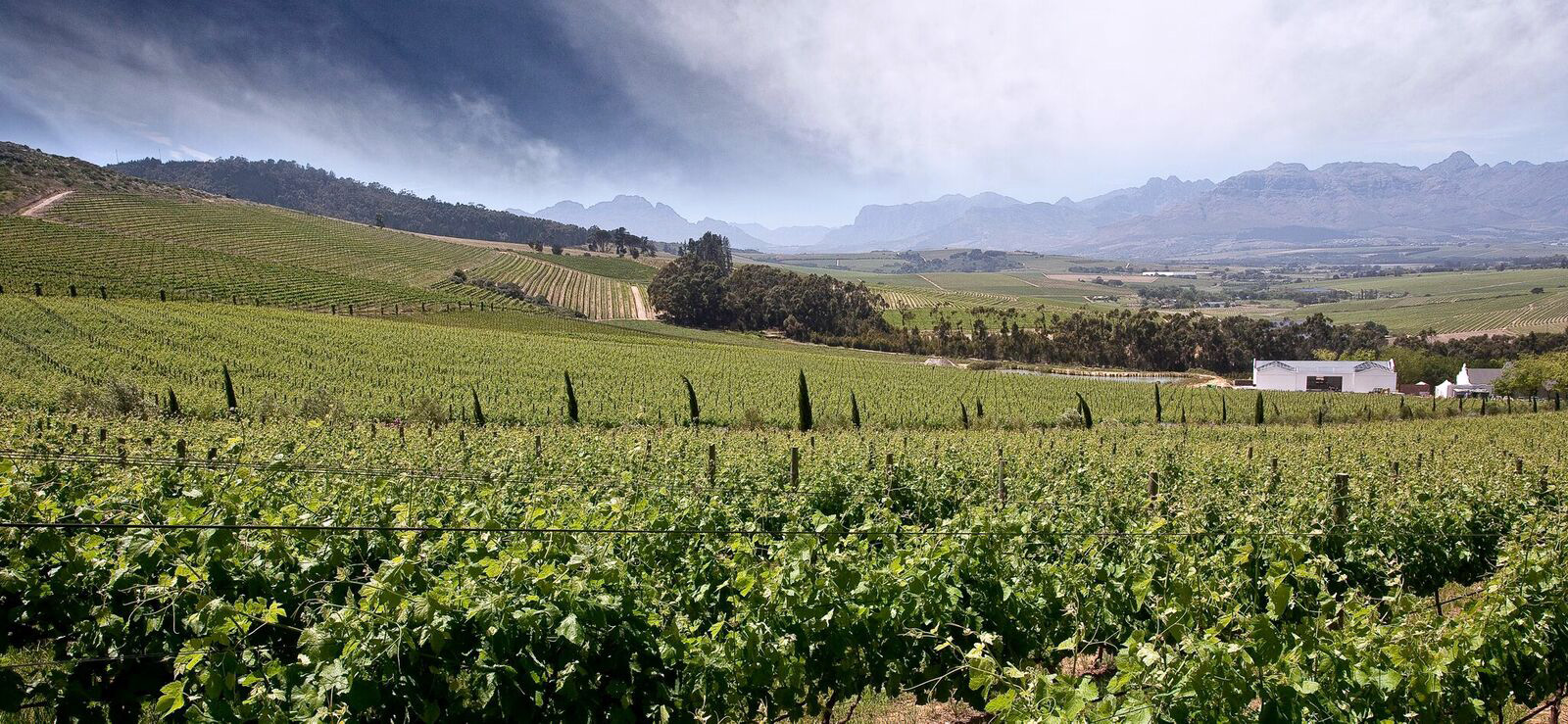
DeMorgenzon sits on cool south-facing slopes above Stellenbosch Kloof, with gardens planted through the vineyards and music played across them. The Reserve Chenin Blanc is the benchmark most people come for, with Chardonnay and Syrah alongside it. It is one of the more distinctive places in the district to taste.
Reyneke Wines
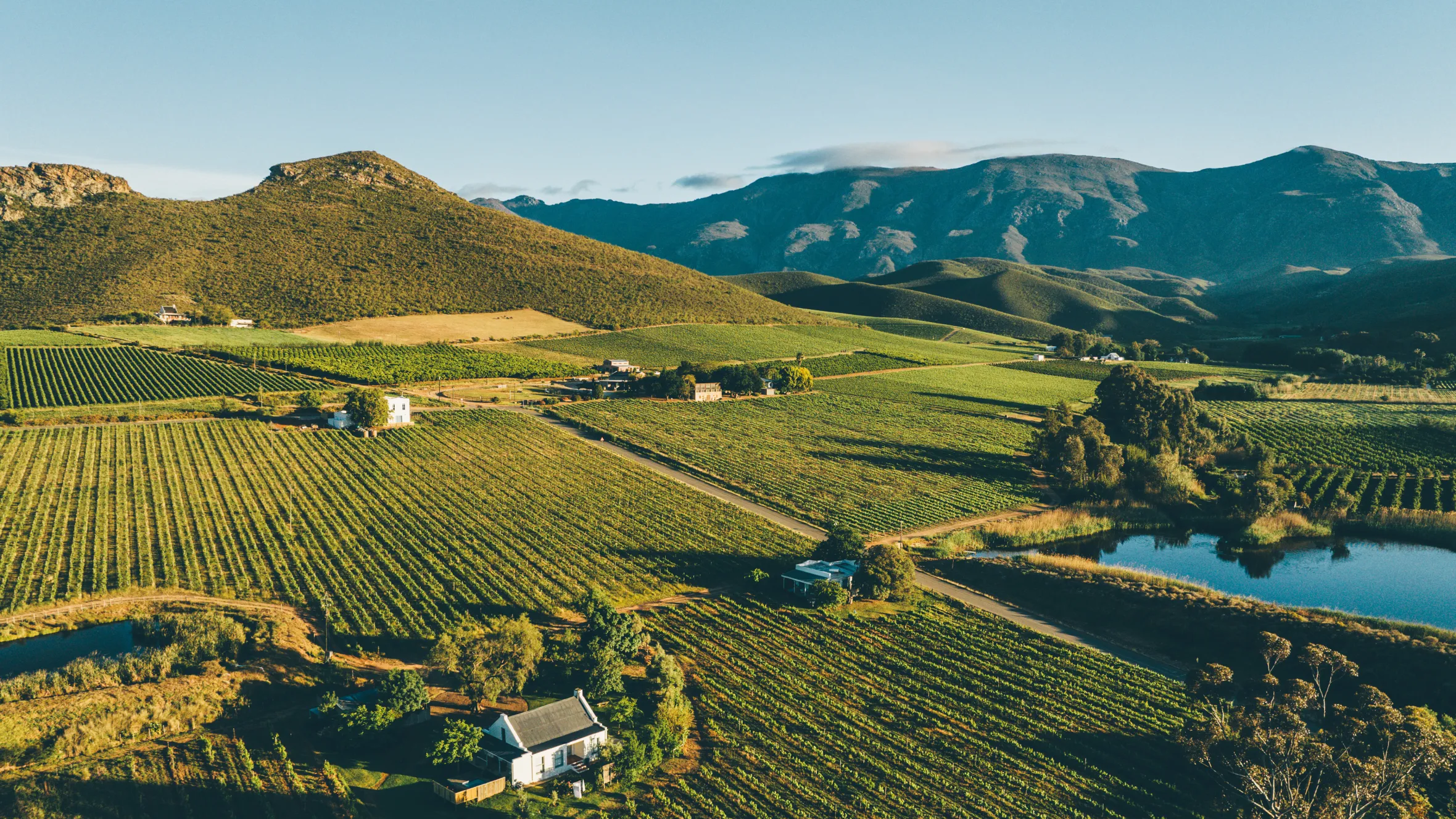
Reyneke was one of the first South African producers to farm organically and then biodynamically, and the wines are vegan-friendly as a consequence of how they are made rather than as a claim. Syrah, Chenin Blanc and Sauvignon Blanc come off granite soils in the Polkadraai Hills. Tasting is by appointment, which is the point.
Spier Wine Farm
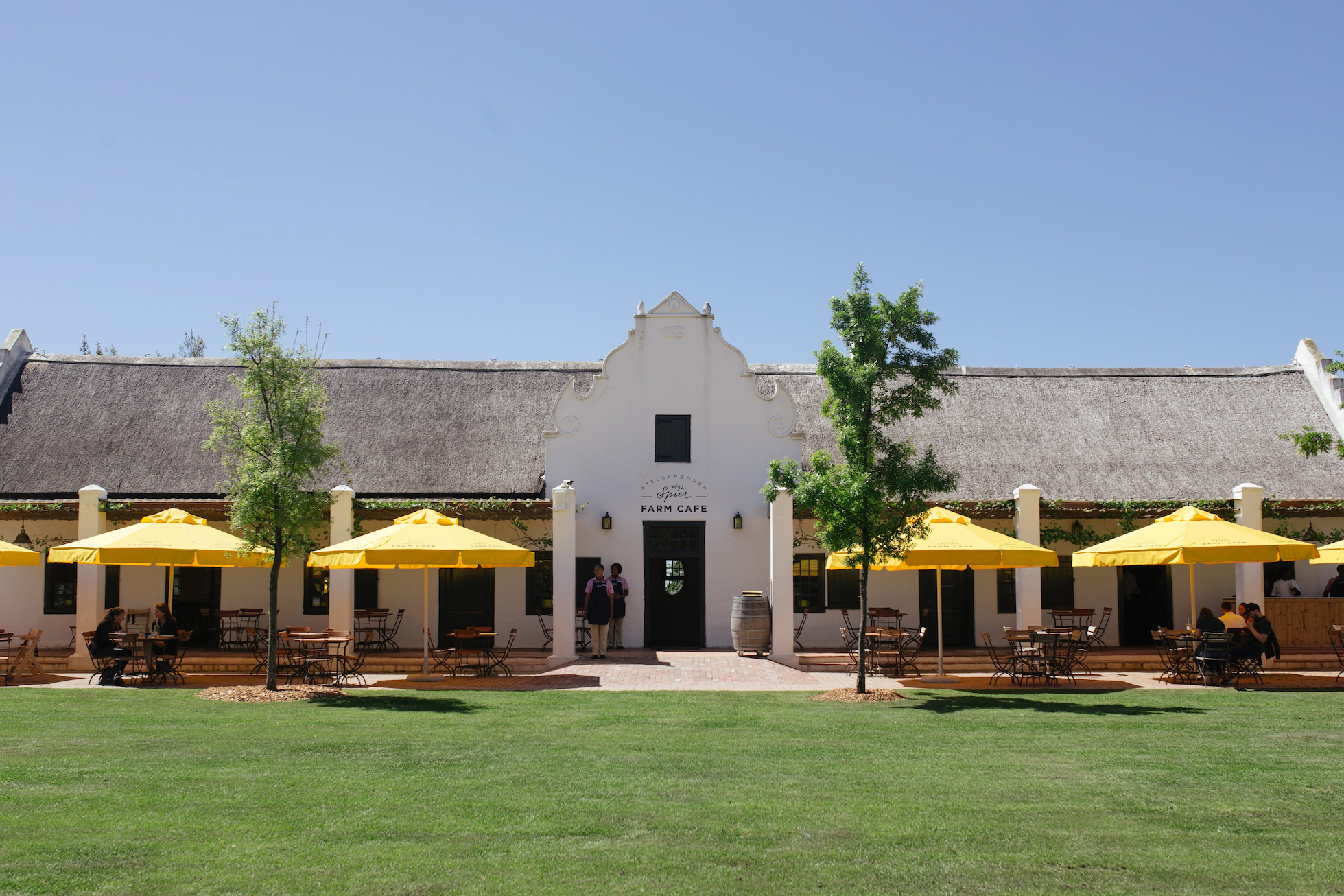
Spier is the largest day out in this guide. Three hundred years of Cape Dutch history sit alongside award-winning wines, chocolate and wine pairings, an art collection and picnics on the lawns. The farm has gone regenerative in the vineyards, and there is enough here to keep people who are not tasting occupied for the afternoon.
Delaire Graff
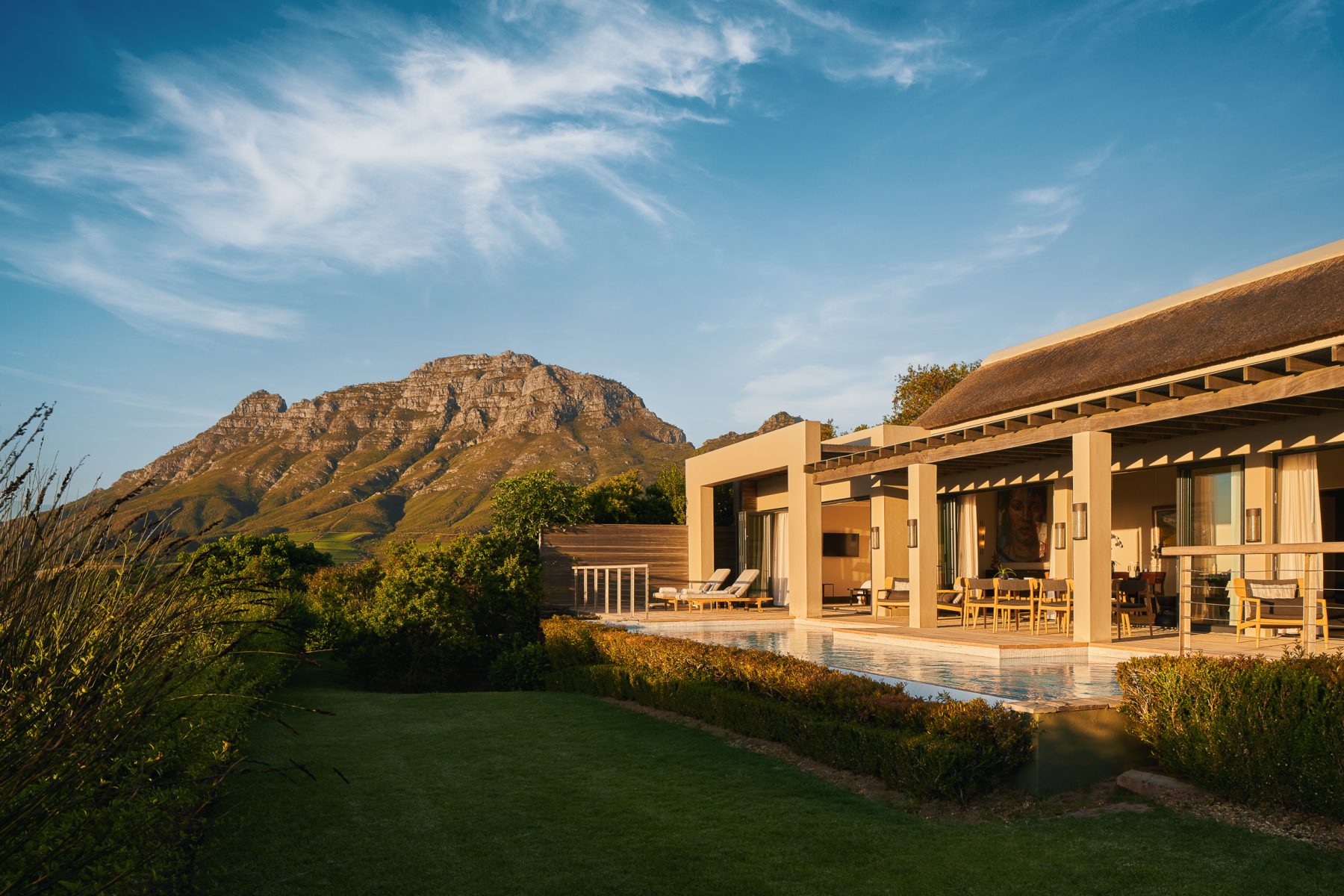
Delaire Graff sits on the Helshoogte Pass between Stellenbosch and Franschhoek, and the view over the Banhoek Valley does a great deal of the work. The wines are led by the Botmaskop Bordeaux-style blend, and the estate carries two restaurants, an African art collection and a lodge. It is the most polished stop in the district.
Tokara Wine Estate
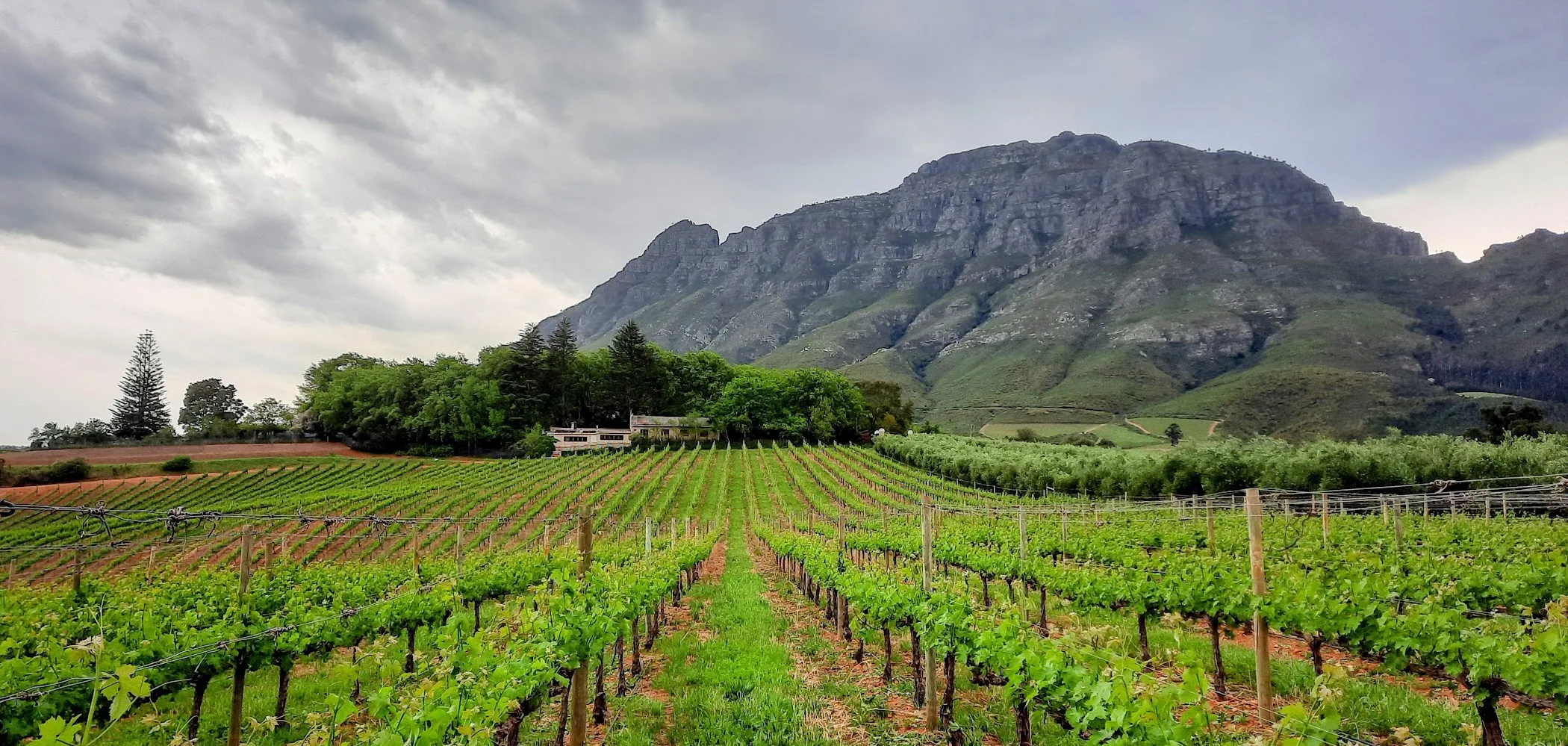
Tokara is a few minutes from Delaire on the same pass and takes a quieter approach to the same view. The vineyards are among the highest in the region, the olive oil has won as much as the wine, and there is a restaurant and a contemporary art collection on the estate. It works as a first stop or a last one.
Blaauwklippen Wine Estate
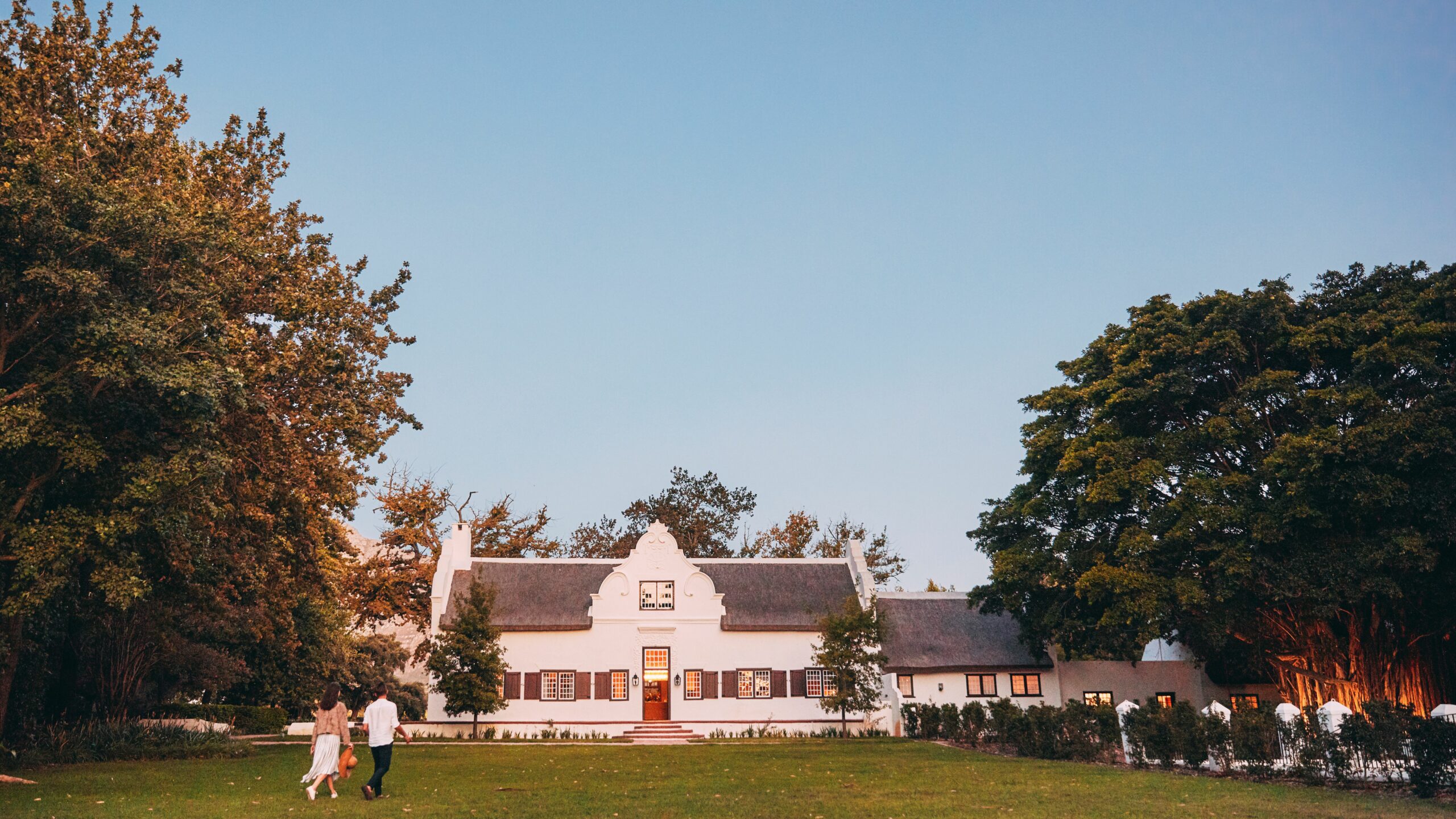
Blaauwklippen was established in 1682 and is the oldest estate in this guide. Alongside the Cape heritage buildings it runs imaginative tasting pairings, restaurants and a weekend family market, which makes it one of the easier farms to bring people to who are not there for the wine. The Zinfandel is unusual for the Cape.
Lanzerac Wine Estate
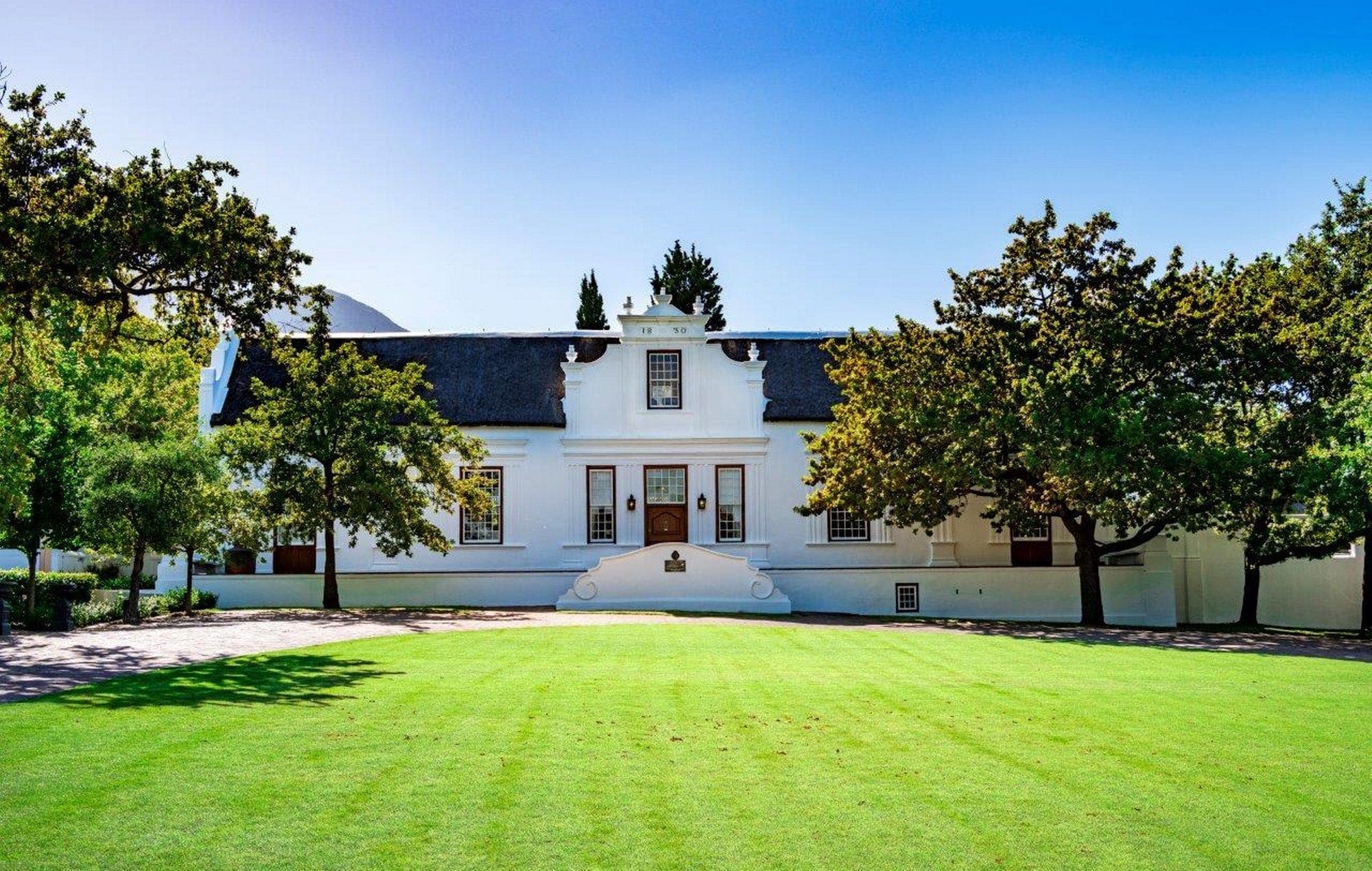
Lanzerac was established in 1692 and is where the world’s first bottled Pinotage was made. It sits at the foot of the Jonkershoek Mountains, close enough to walk from the edge of town, and carries a five-star hotel, a spa and fine dining alongside the tastings. It is the most complete single address in the district.
Muratie Wine Estate
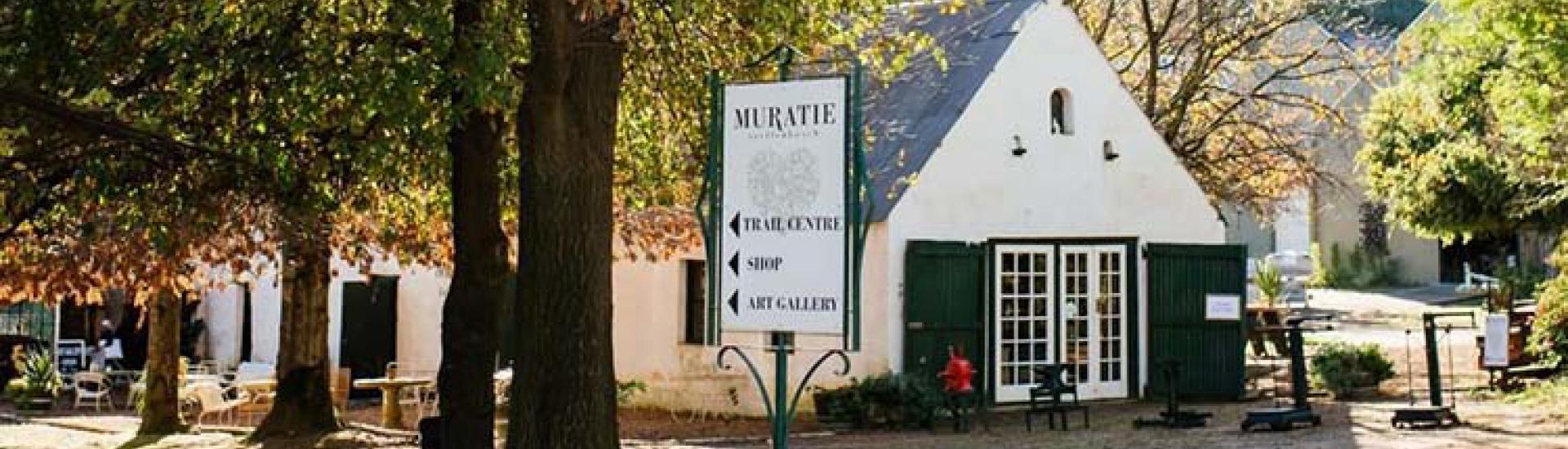
Muratie has deliberately left its tasting room as it found it, cobwebs and all, and the effect is unlike anywhere else in Stellenbosch. The wines are named after the people in the farm’s history rather than after the vineyards. There is traditional farm food, art on the walls and trails outside.
Oldenburg Vineyards
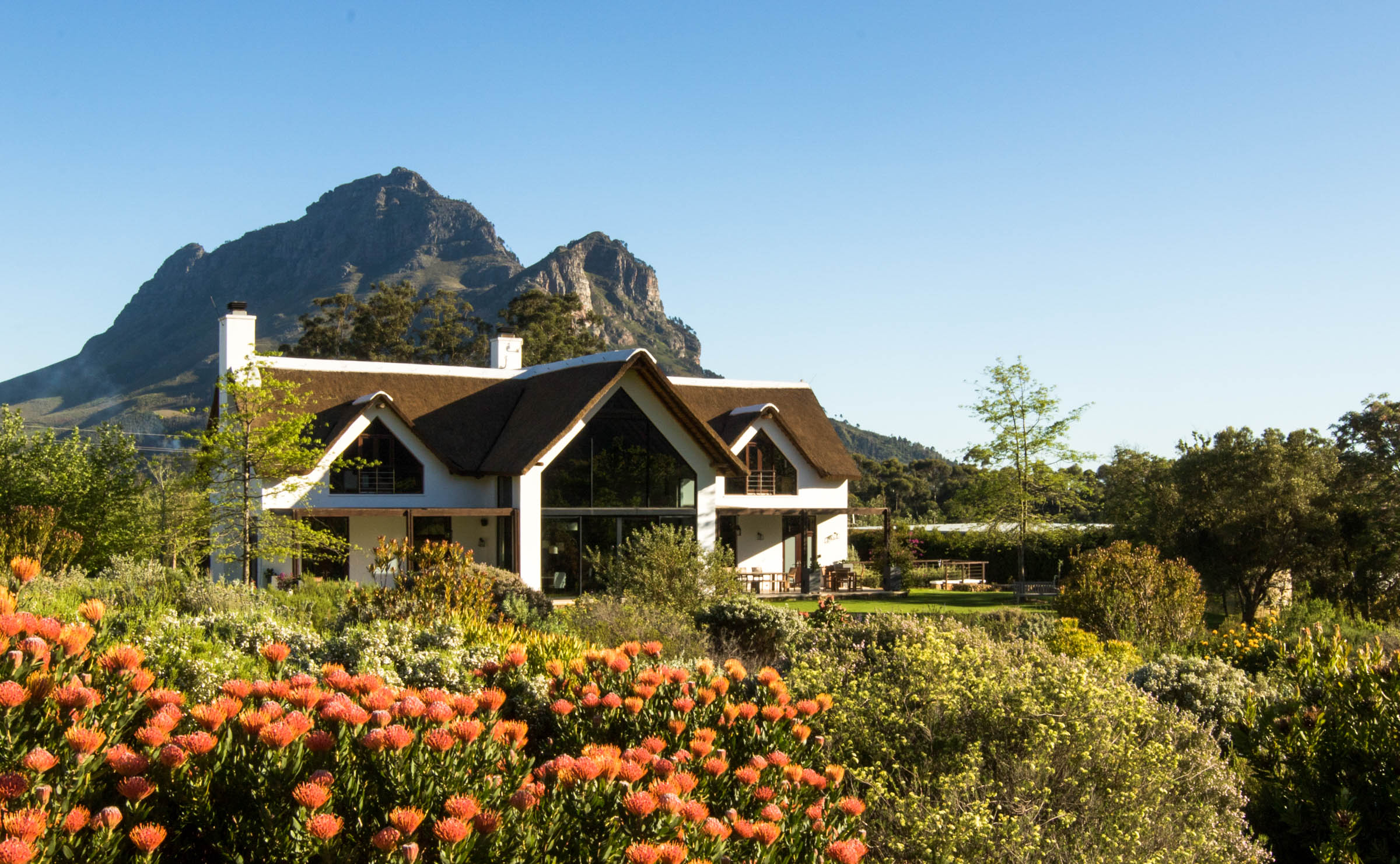
Oldenburg farms a single hill, Rondekop, and builds the range around the different terroirs on it. The farming is regenerative and the winemaking is precise, with Chardonnay, Syrah and the Bordeaux varieties all grown on the same slope. Banghoek is a valley most day-trippers drive past.
Bartinney Private Cellar
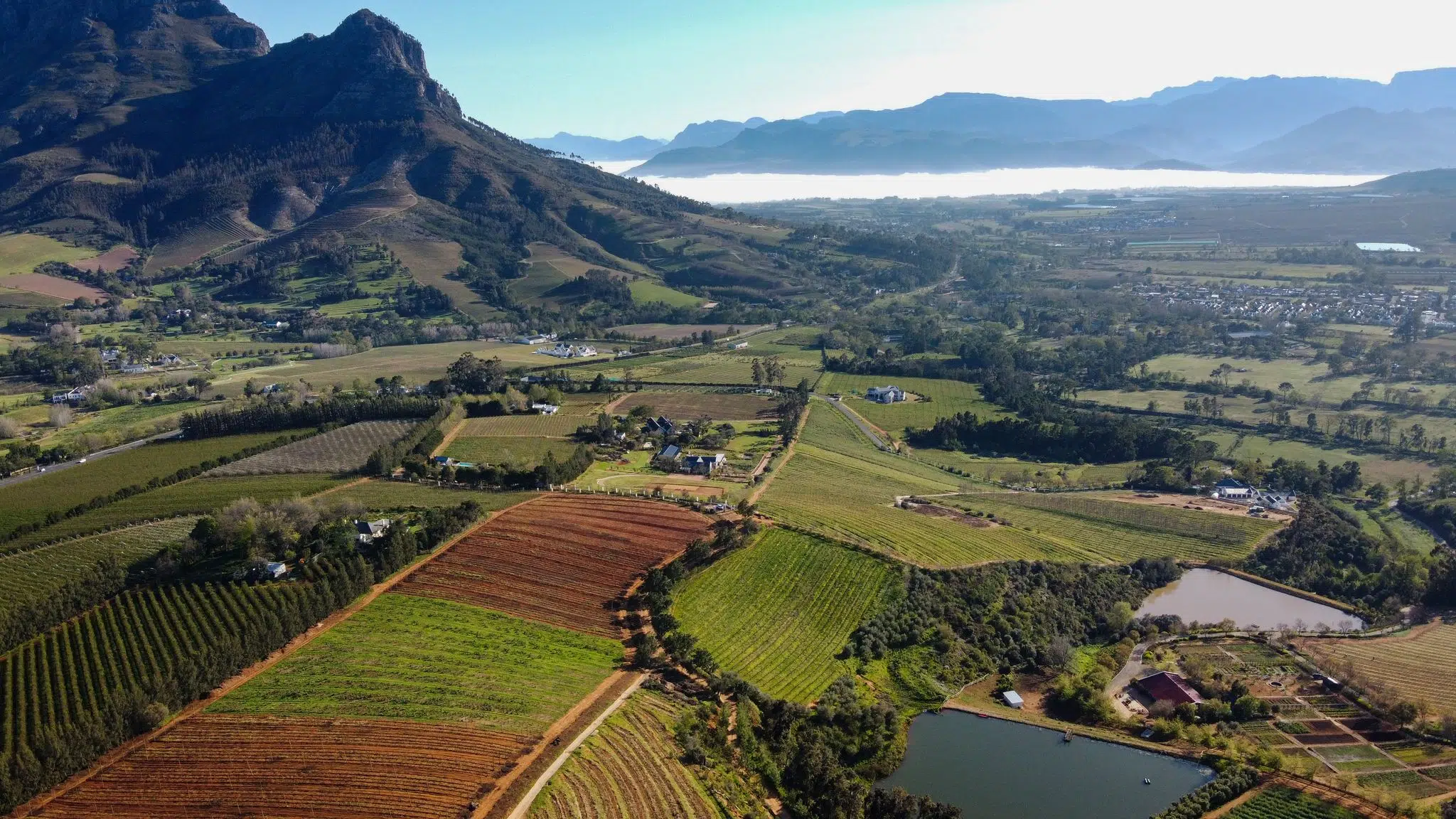
Bartinney farms some of the steepest high-altitude vineyards in Stellenbosch and puts the results into handcrafted Chardonnay and Cabernet Sauvignon. The estate runs a fynbos conservation programme on the slopes above the vines. The tasting room view is among the best in the district.