
Surfing
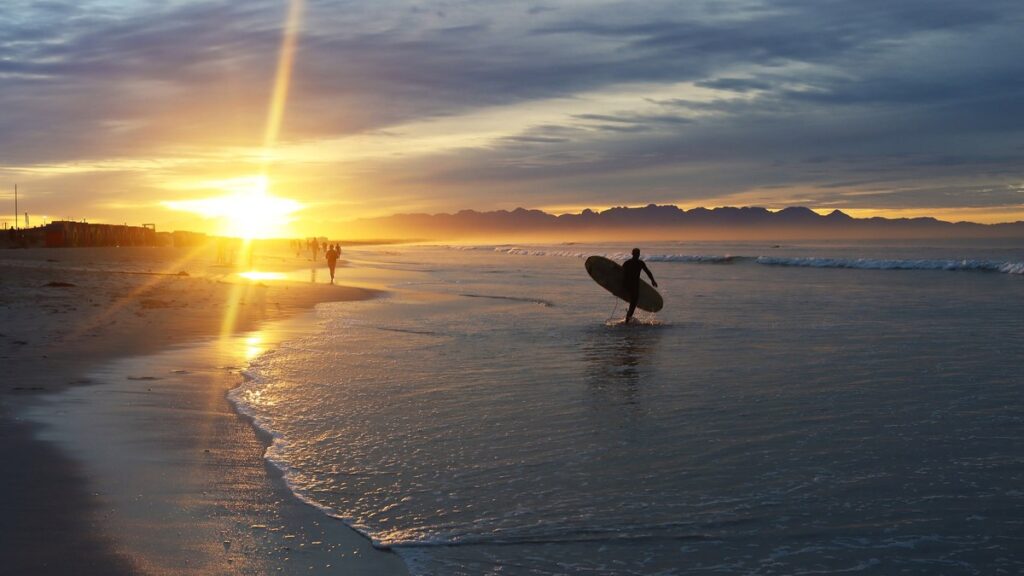
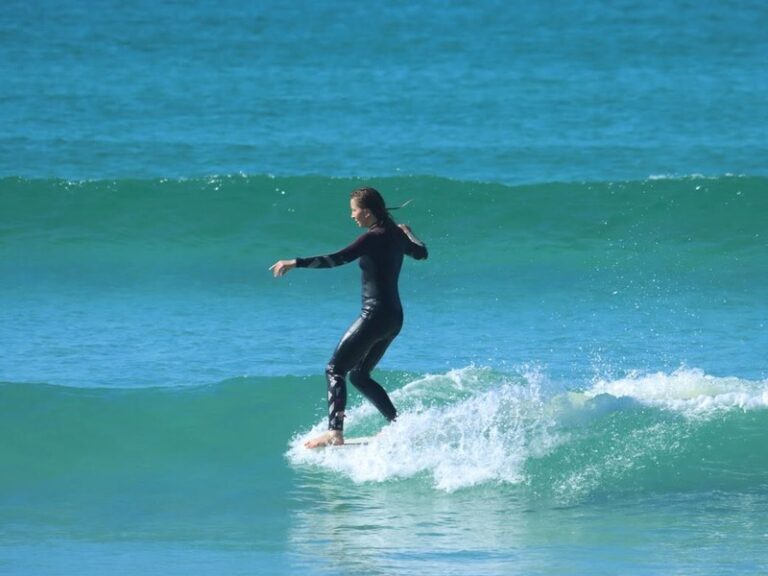
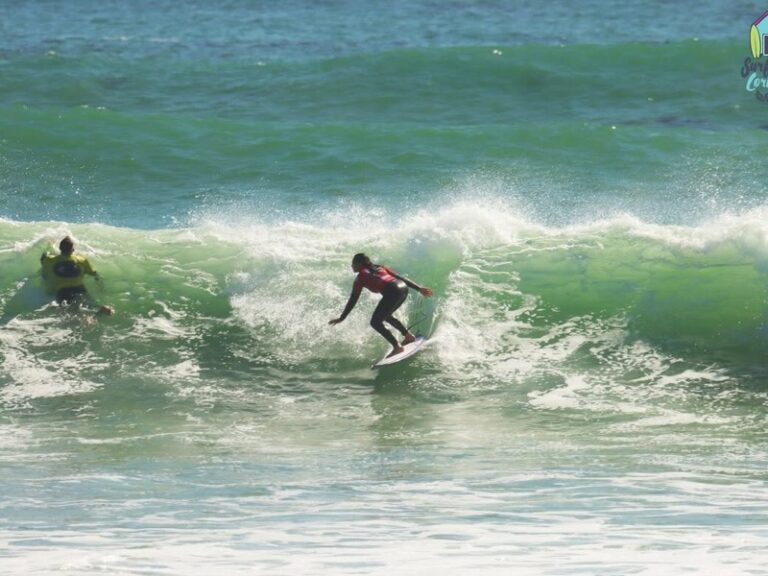
Start at Surfers Corner in Muizenberg, where the lessons run out of shopfronts on the beachfront and board and wetsuit come with them. The wave there is about as forgiving as a first surf gets, which is why it has taught more visitors than anywhere else on this coast. False Bay water, so warmer than the Atlantic.
Surfers Corner at Muizenberg is where most people in Cape Town first stand up on a board. The wave is a long, slow, sandy-bottomed beach break that reforms all the way to the beach, which is close to ideal for learning.
Lessons are run from shopfronts on the Muizenberg beachfront, a few minutes’ walk from the water. A board and a wetsuit come with the lesson, and the water is cold enough that the wetsuit is not optional.
Schools run year round and seven days a week. Lesson times move with the tide rather than the clock, and slots are booked rather than walked into, so arrive a few minutes early or the session gets shorter.
Stand-Up Paddleboarding
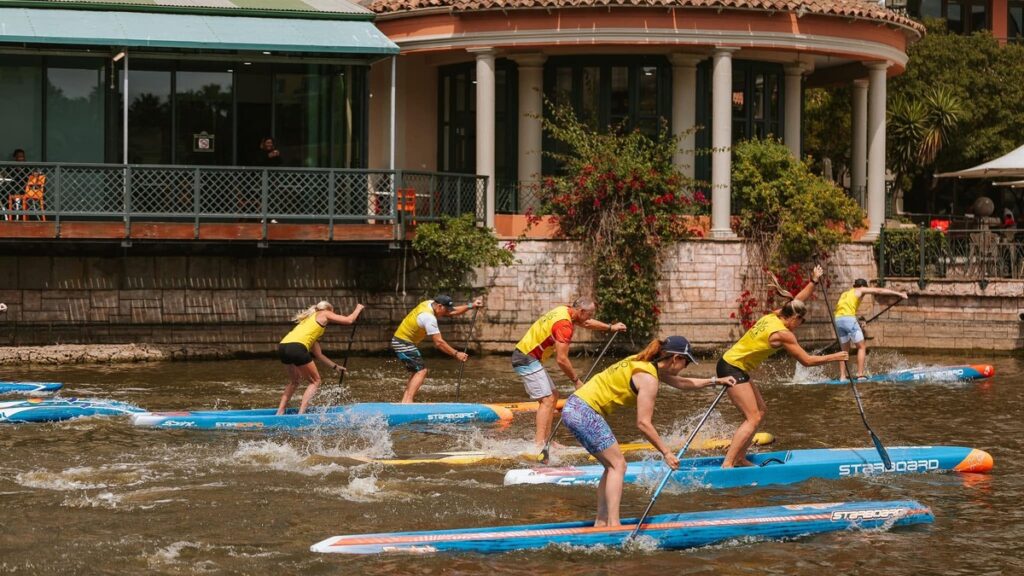
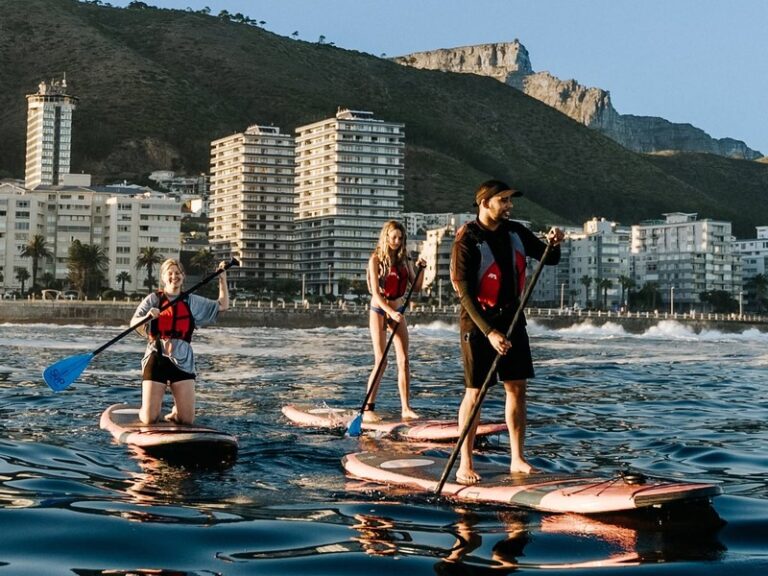
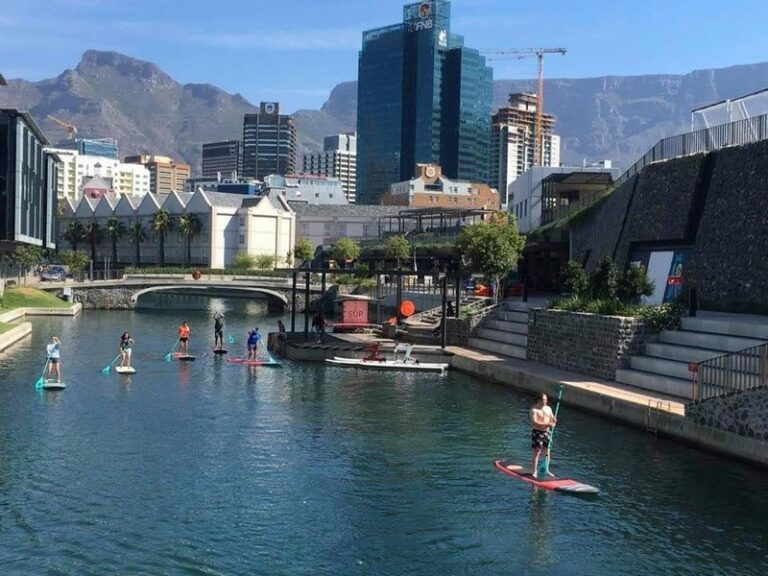
The gentlest entry on the list, and the only one you can do without getting properly wet. Sessions run on the sheltered canals at the V and A Waterfront, with guided open-ocean paddles along the coast for anyone who wants more than flat water. Boards, paddles and buoyancy aids are supplied.
The canals inside the V&A Waterfront are the easy way to start: flat, sheltered, and short enough that an hour is plenty. You paddle past the working harbour and under the bridges with the city on both sides.
Open-ocean sessions are the other end of it, run as guided tours along the coast when the sea allows. Boards, paddles and buoyancy aids come with the session, and the guide stays with the group.
You need to be able to swim and to be willing to fall in. Wind is what decides whether a session runs, and sheltered water is the difference between a pleasant hour and a long paddle home.
Sea Kayaking
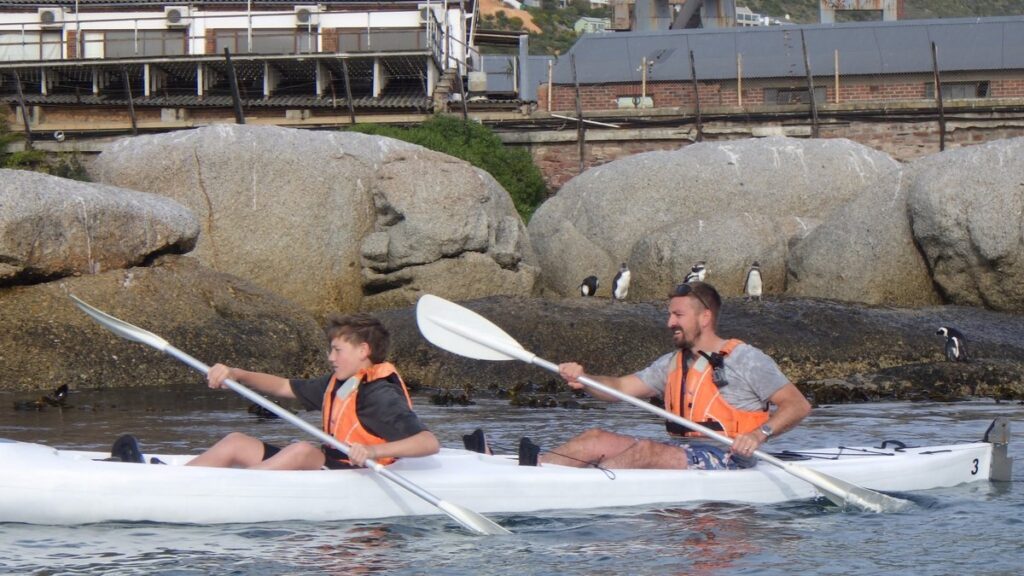
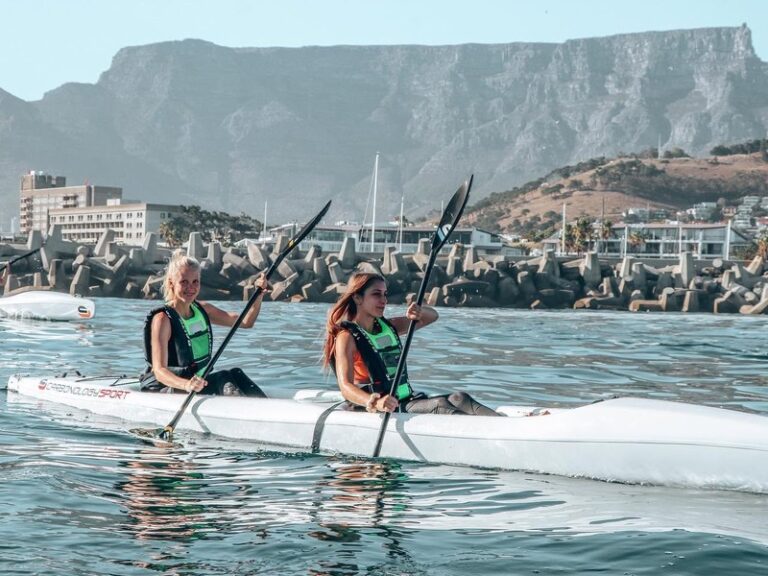
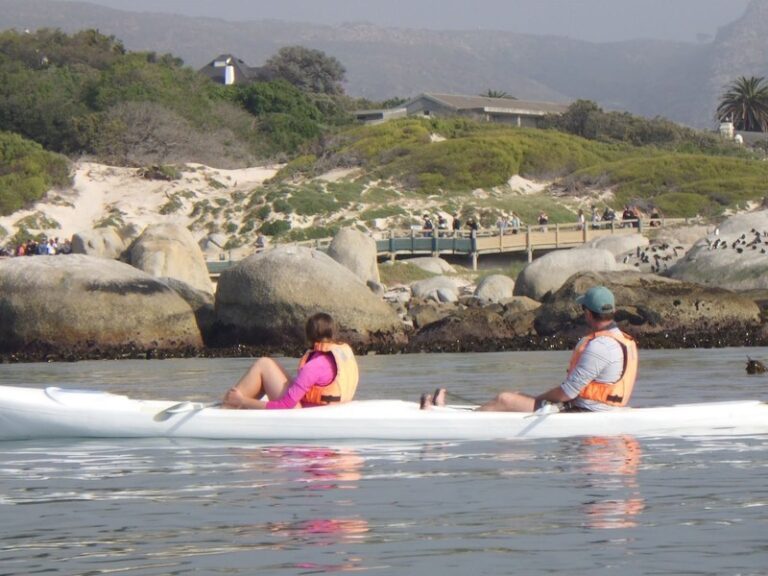
Guided paddles from Simon’s Town, Hout Bay and Three Anchor Bay, about two hours on the water in stable two-seater kayaks with no experience needed. This is the one that changes how the peninsula looks: the mountains read differently from a kilometre offshore than they do from the road.
The kayaks are stable two-seaters and the guide sets the pace, so this is a paddle rather than a workout. Most trips hug the coast within sight of the launch beach.
From Simon’s Town the route runs towards Boulders and the penguin colony. From Hout Bay it heads out towards Duiker Island and the seals. Three Anchor Bay puts you under the Atlantic seaboard with Lion’s Head above.
Kayaks, paddles and buoyancy aids are supplied and no experience is needed. Wind decides the day: a paddle is called off rather than pushed through, which is why departures are mostly early.
Snorkelling
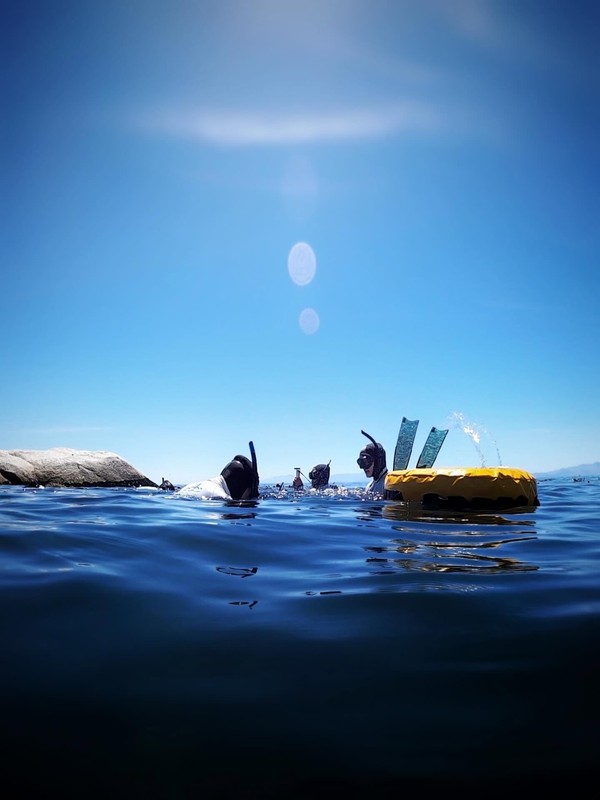
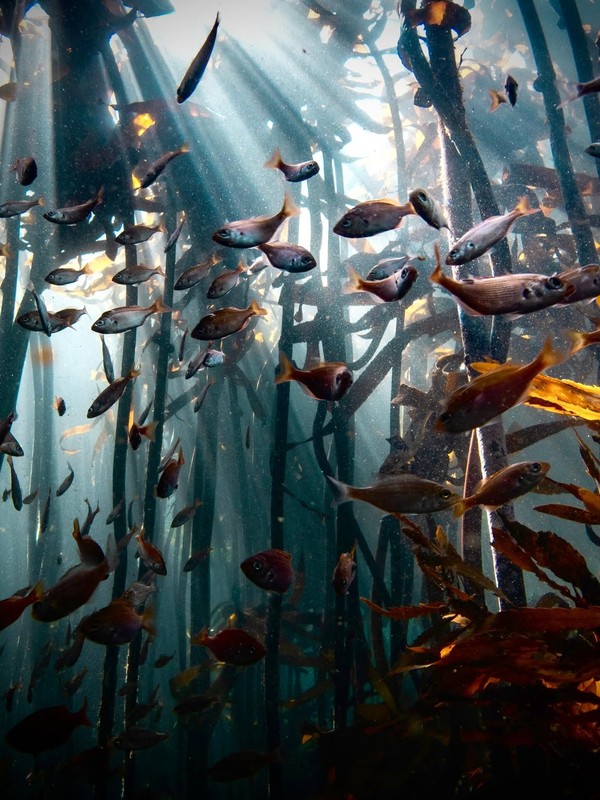
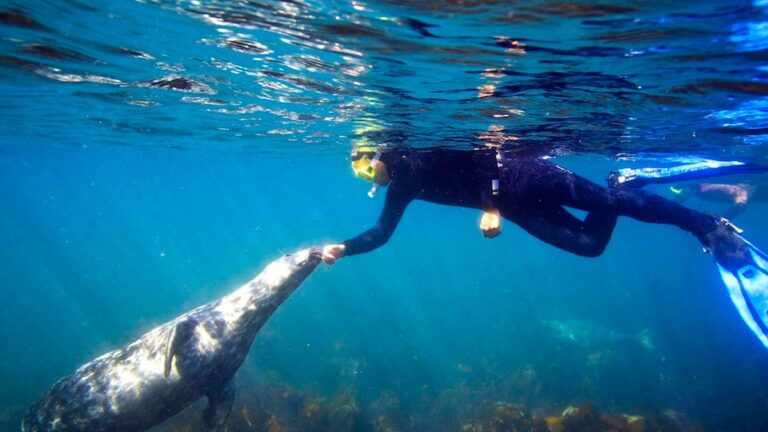
Guided snorkelling in the kelp forests of False Bay and the Atlantic seaboard, with wetsuit, mask, snorkel and fins supplied and no certification needed. The kelp is the point. It is the reason people fly here to get in cold water, and a snorkel is the cheapest way to see why.
Cape Town snorkelling is a kelp forest, not a coral reef. You swim through the stipes with the light coming down in shafts, and the interest is in the small things: nudibranchs, urchins, klipfish, octopus, shysharks on the sand.
The water is cold. Guided sessions put you in a thick wetsuit with a hood, and mask, snorkel and fins come with the trip. No certification is needed, but you do need to be a reasonably competent swimmer.
Sites are chosen on the day according to wind and swell, which is why the meeting point is often confirmed late rather than early. False Bay tends to work when the south-easter blows, and the Atlantic side when it does not.
Scuba Diving
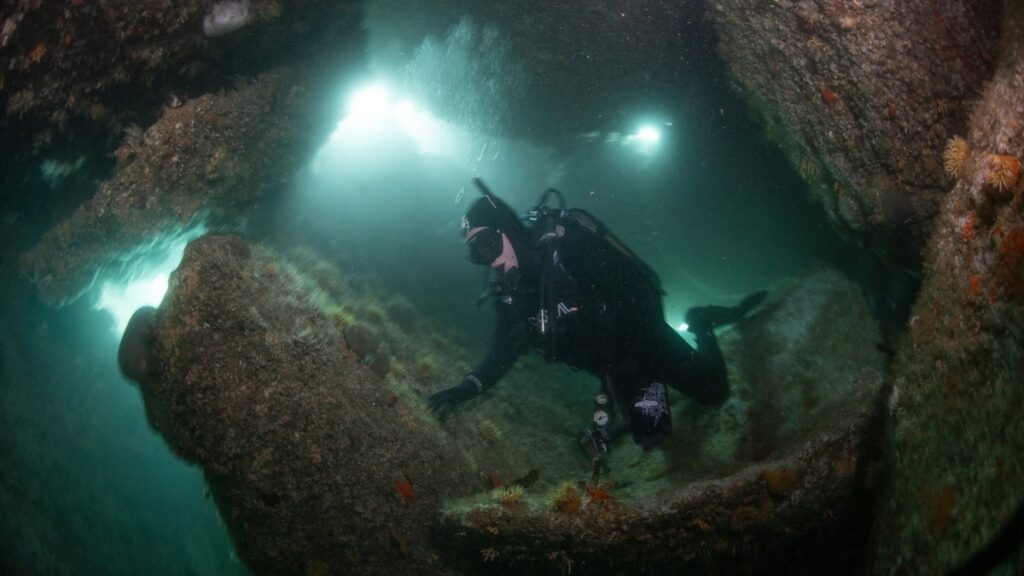
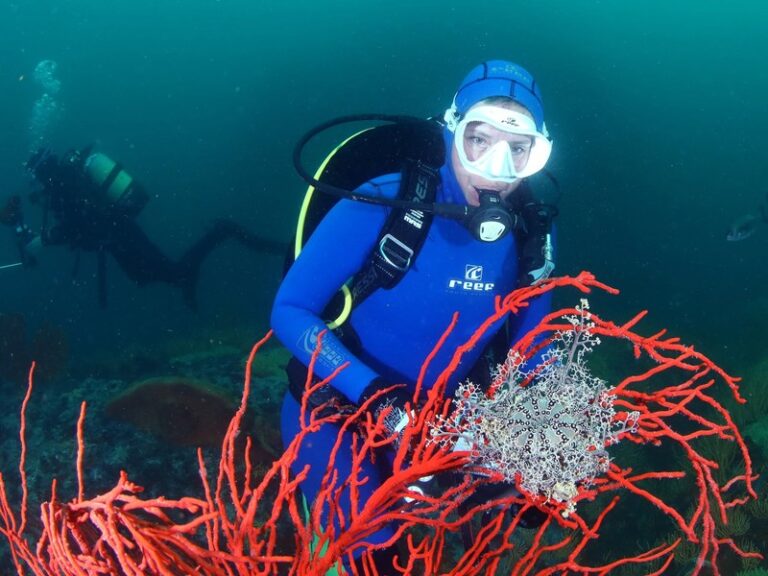
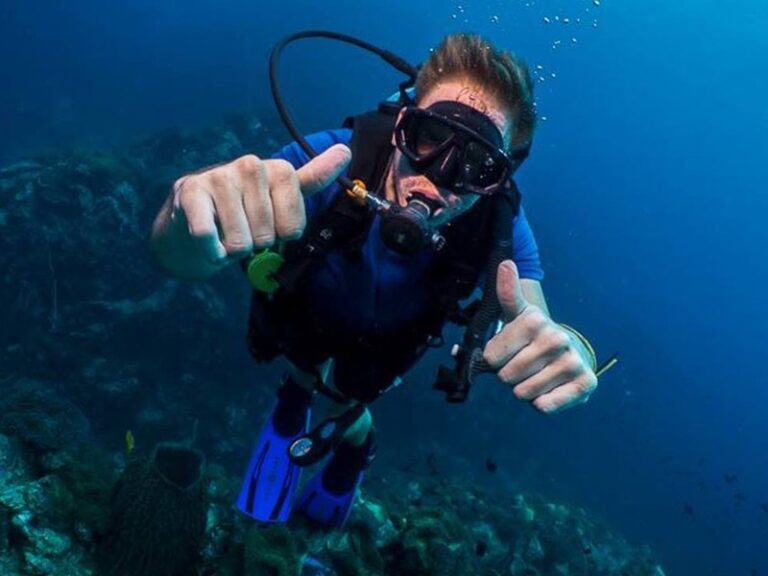
Try dives and guided dives from centres at the V and A Waterfront, Simon’s Town and Gordon’s Bay. A try dive runs theory, a pool dive and an optional sea dive with equipment included, which makes it the realistic option for a visitor who wants to dive once rather than qualify.
A try dive is the standard way in: a short theory session, a pool dive to get used to breathing underwater, and then, if you want it, a dive in the sea. It is an experience rather than a qualification, and no experience is needed to start.
Cape Town has two very different dive coasts. The Atlantic side gives you kelp forest and cold, clear water. False Bay is warmer and softer, with wrecks off Simon’s Town and Gordon’s Bay. Dive centres sit at the V&A Waterfront, in Simon’s Town and at Gordon’s Bay, and move between sites according to the wind.
All the equipment comes with the dive. A medical statement and a liability waiver are signed before you get in, and anyone under eighteen needs a parent or guardian to sign.
Freediving
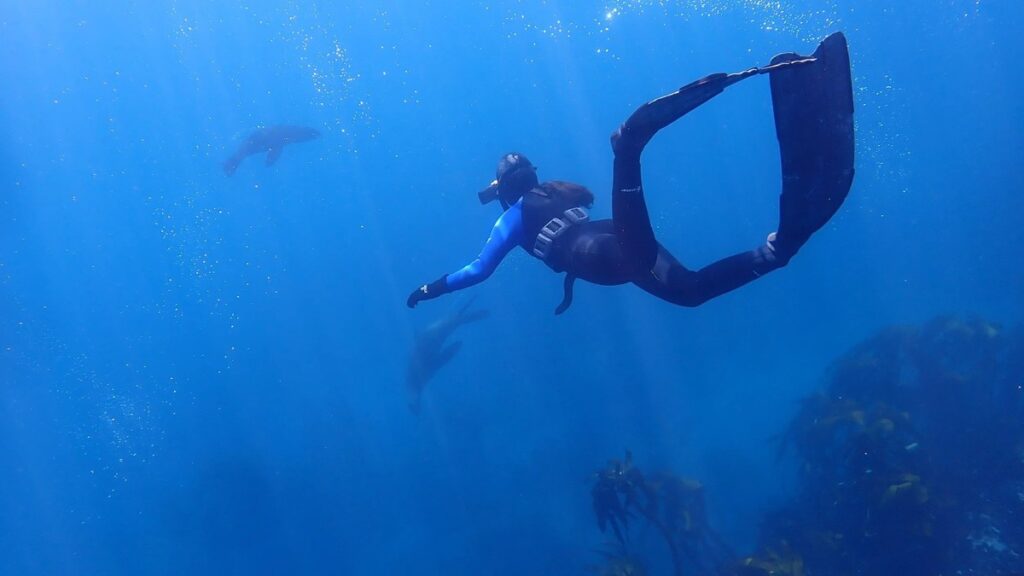
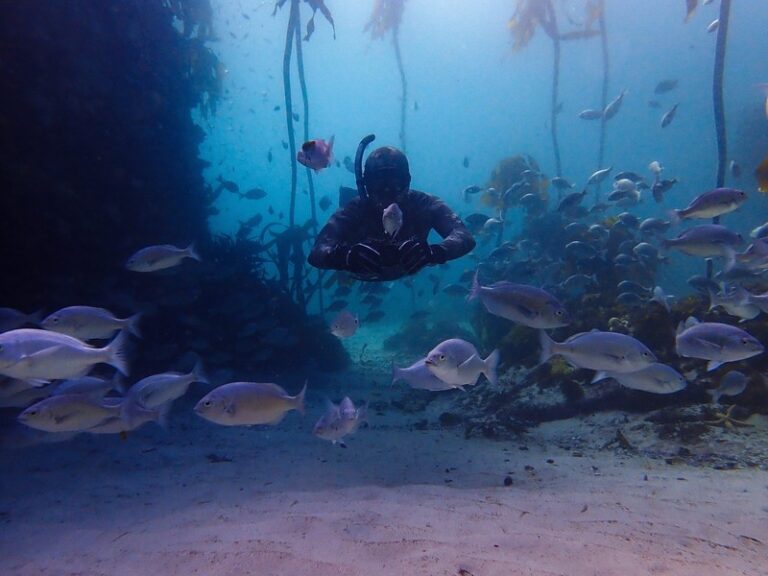
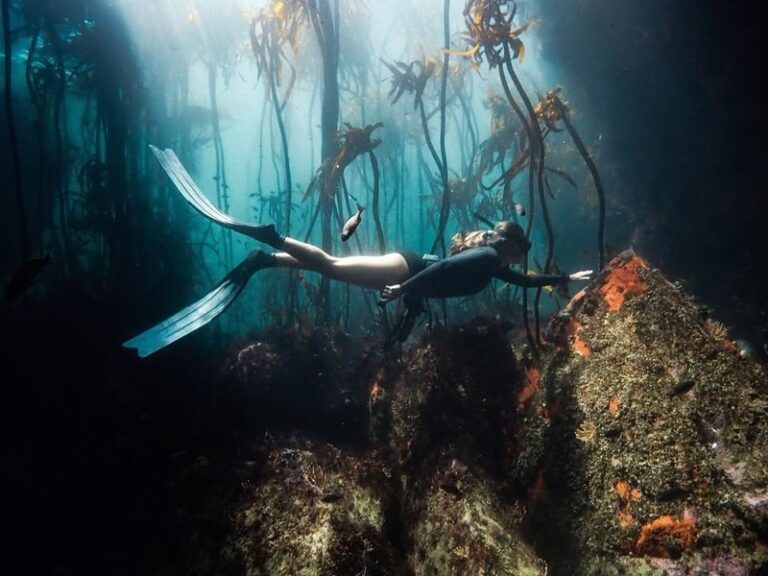
The discipline that has grown up around this coast’s kelp. The entry-level course runs two days across theory, pool and open water, with a one-day introduction for anyone not chasing a certificate. It asks more of you than snorkelling and gives back a quieter version of the same forest.
Freediving is diving on one breath. The entry-level course runs over two days and is mostly about slowing everything down: breathing, equalising, moving, and learning what your body actually does when you stop breathing.
The structure is consistent. Theory first, then a confined-water session in a pool, then open water. Cape Town schools use the kelp and the reef for the open-water part, and all the equipment comes with the course. There is a one-day try session for anyone who wants the feeling without the certificate.
No previous freediving experience is required, but you do need to swim comfortably and be in reasonable health.
Coasteering, Gravity Adventures
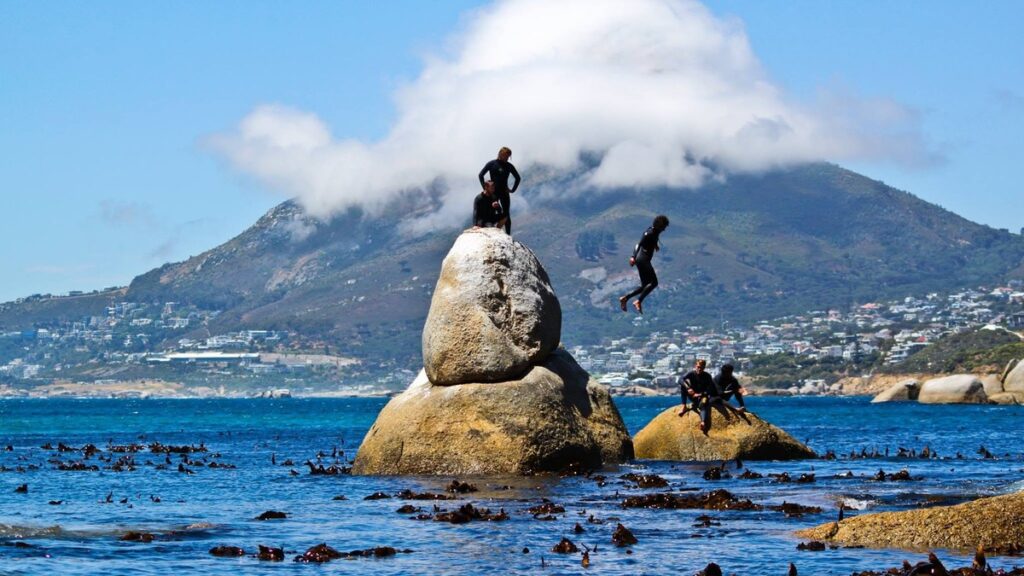
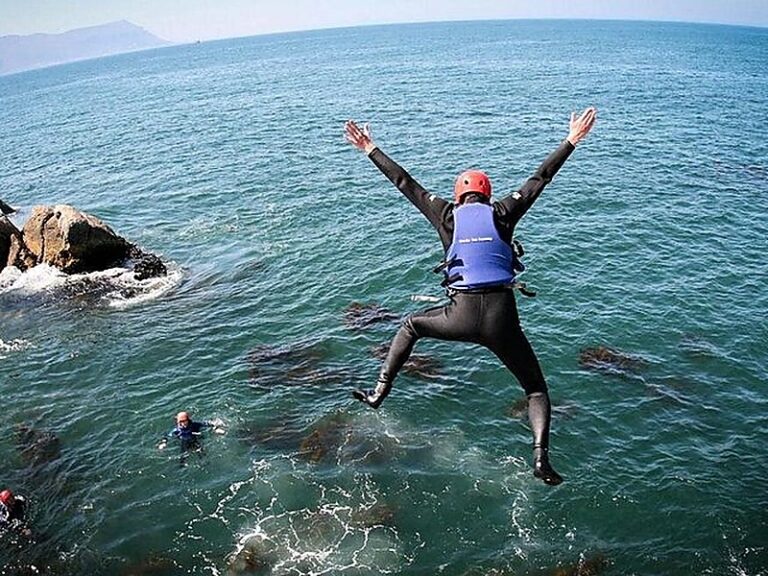
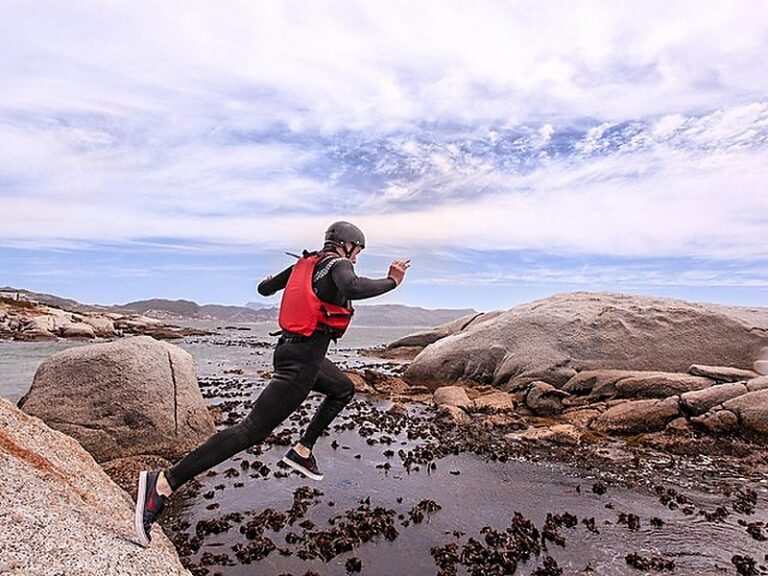
Scrambling, swimming, snorkelling and optional rock jumps along the sheltered inter-tidal coast near Simon’s Town, guided by Gravity Adventures. It is the entry here that suits people who would be bored by a lesson: less instruction, more moving along a coastline by whatever means it offers.
Coasteering is kloofing that happens along a coastline instead of in a river. You work your way along the inter-tidal zone on foot, in the water and off the rocks, swimming the gaps, snorkelling the clear bits and jumping the drops.
The jumps run up to eight or ten metres depending on the tide, and none of them are compulsory. Nobody is pushed off anything. The section used is sheltered from the south-easter, which is why the water there is usually clear when the rest of the Peninsula is churned up.
It sits on the shoreline near Simon’s Town, so the penguins at Boulders, lunch in Simon’s Town or the run down to Cape Point are all a few minutes away afterwards.
Kitesurfing
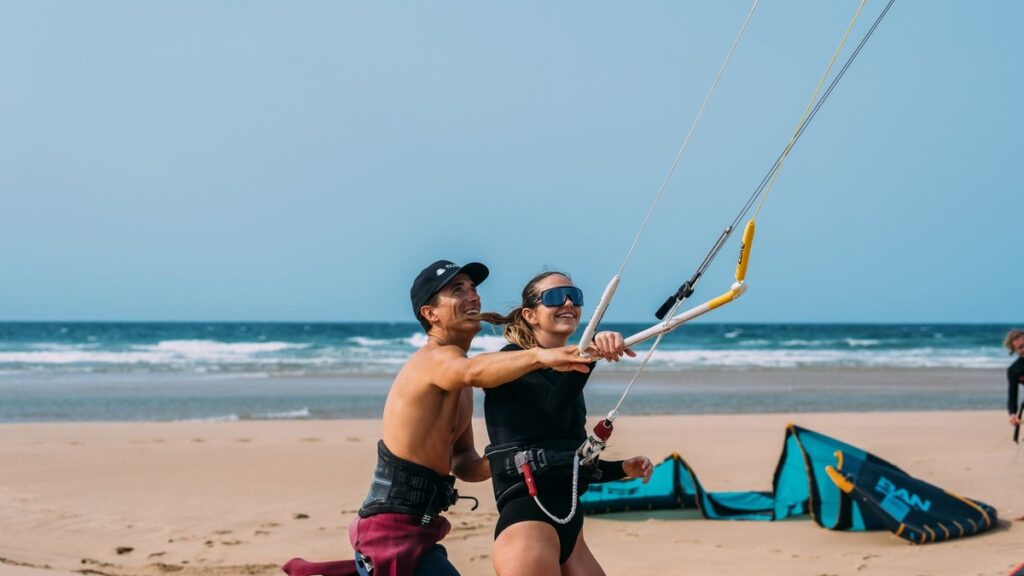
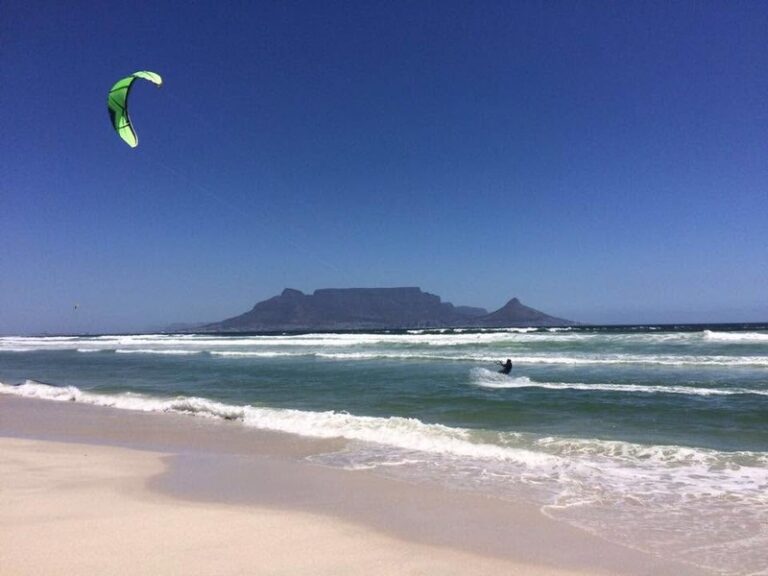
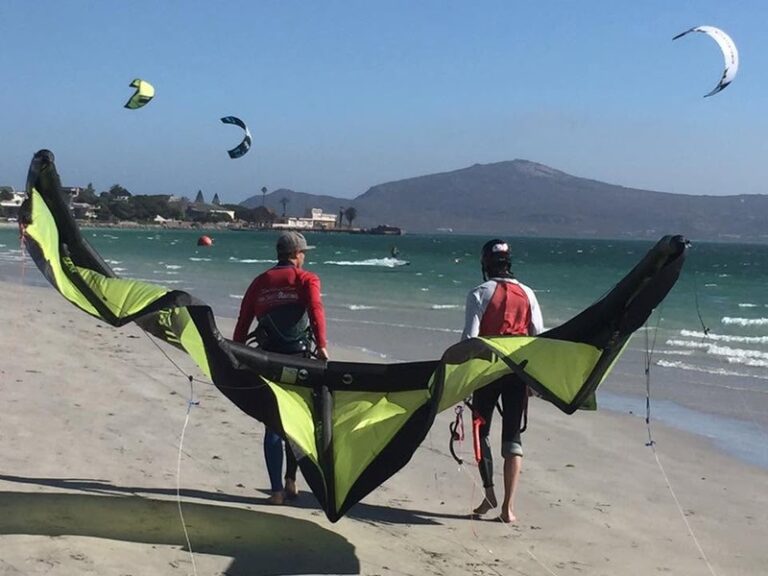
The Cape southeaster ruins a lot of beach days and makes this one. Lessons run at Blouberg and on the Langebaan lagoon, with an introductory session of about three hours before the progressive course packages start. Come in summer, when the wind that everyone complains about is the reason you are here.
Cape Town’s summer south-easter is the reason kitesurfers arrive here from all over the world. It blows hard and it blows reliably, which is exactly what the sport needs.
Beginners usually start on the Langebaan lagoon, where the water is flat and shallow, before moving to the surf at Blouberg. An introductory session runs around three hours and covers kite control on land and then in the water. Getting up and riding comfortably takes a course rather than a single lesson.
The season follows the wind. Schools run from roughly October or November through to March or April, and close or scale back over the winter.
Wing Foiling
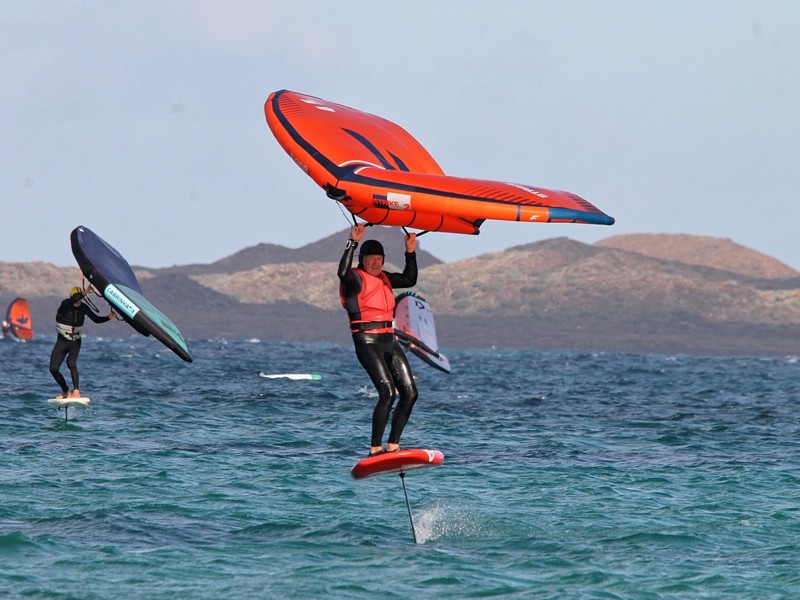
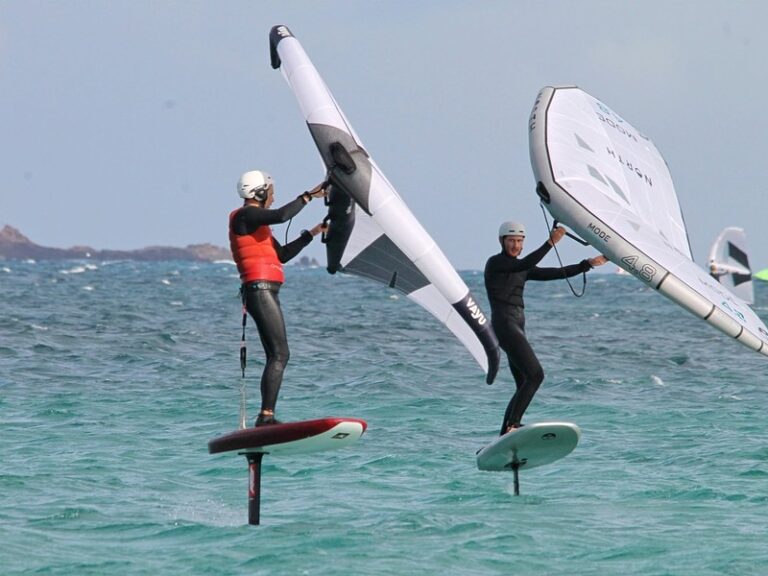
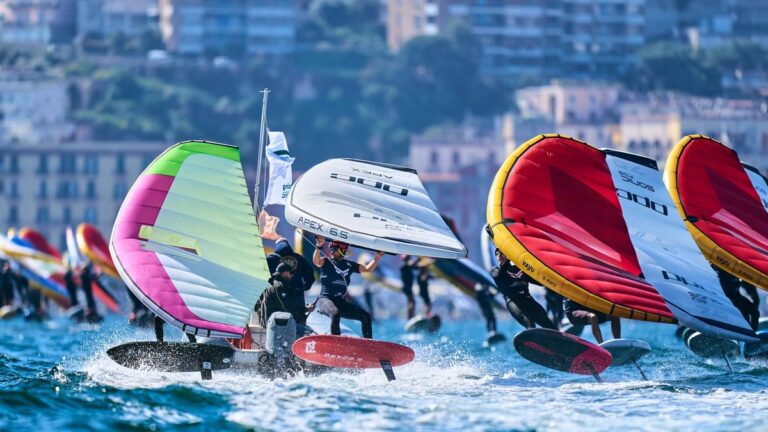
The newest thing on this coast, taught in short progressive stages on the Langebaan lagoon and at Blouberg with all equipment supplied. The lagoon is the reason it works for beginners: flat, shallow and forgiving in a way the Atlantic never is.
Wing foiling is the newest of the wind sports here and the one with the shortest run-in. You hold a hand-held inflatable wing and stand on a board with a hydrofoil under it. Once the foil lifts, the board leaves the water and the noise stops.
Lessons are taught on the Langebaan lagoon and at Blouberg. Tuition is broken into short stages: handling the wing on the beach, then the board without the foil, then the two together. All the equipment comes with the lesson.
It is entirely wind dependent, so a booked date can move. Langebaan’s flat lagoon water is the gentler place to learn; Blouberg has more chop and more wind.