
Hermanus Whale Watching
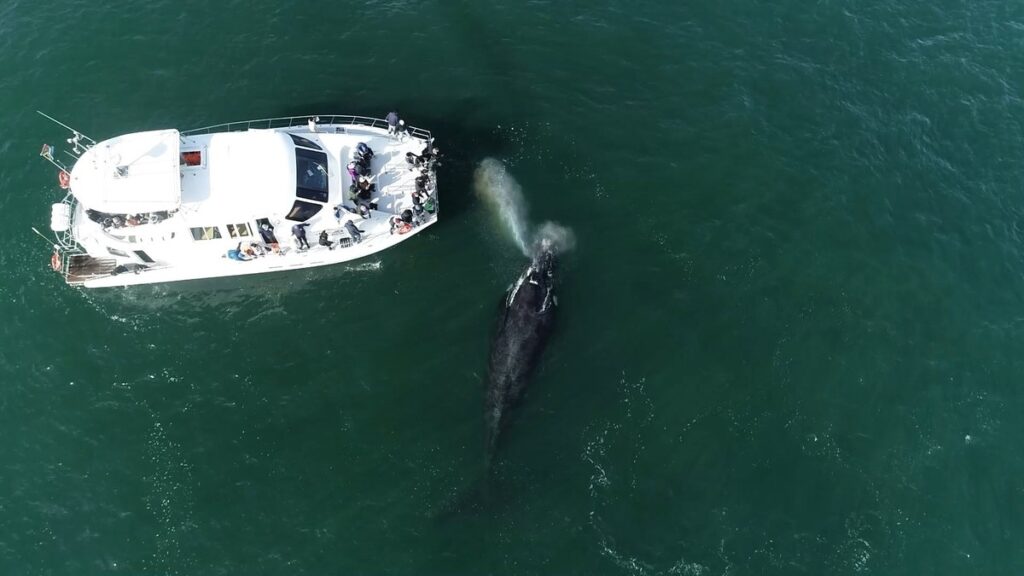
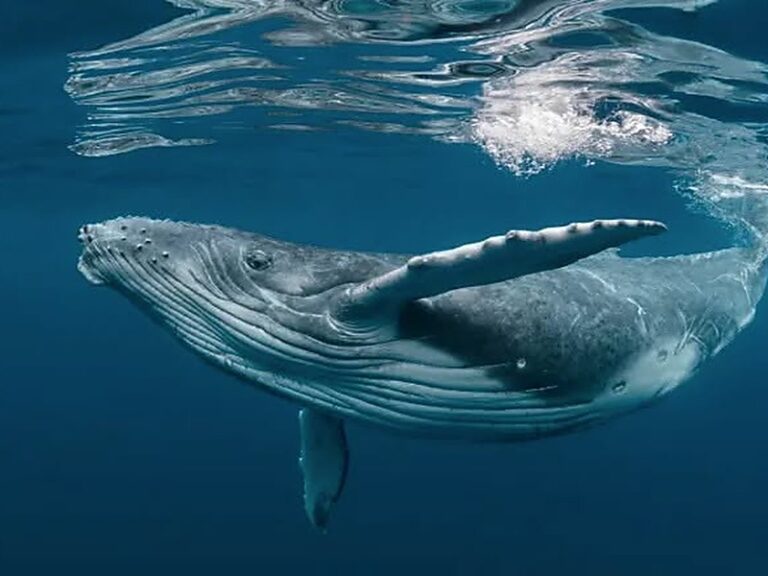
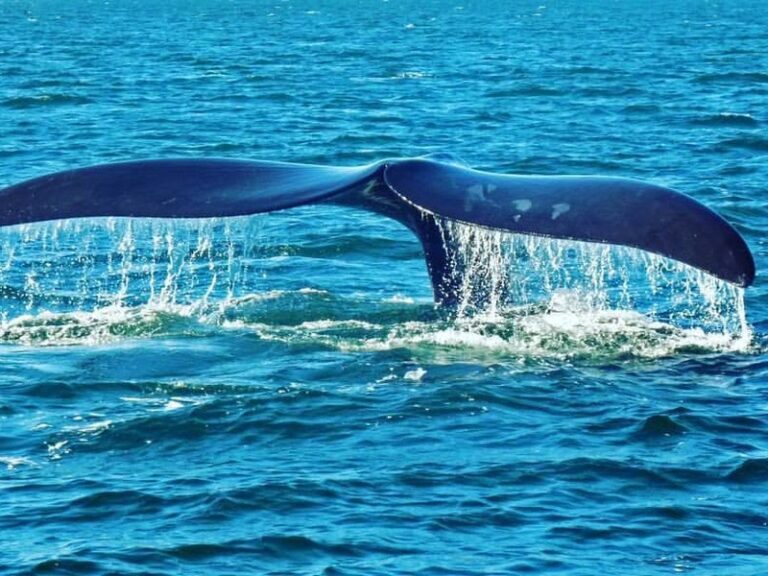
The headline season. Southern right whales are in Walker Bay from June to December, with September and October the peak for mothers and calves, and the guided boat trips run from the New Harbour at Hermanus into what is a protected nursery. Outside that window the trip still sails: Bryde’s whales, dolphins and seals are in the bay year round.
Walker Bay is a protected nursery. Southern right whales come up from Antarctic waters each winter to mate and calve in the sheltered water below Hermanus, close enough that the town built a cliff path to watch them from. Going out by boat puts you level with them instead of above them.
Boats leave from the New Harbour with a guide aboard. Southern rights are the headline, but Bryde’s whales live in the bay year-round, and humpbacks, dolphins, Cape fur seals and African penguins all appear in Walker Bay. It is wildlife, so no two trips are the same and nothing is promised.
There is a safety briefing before departure, and sailings are weather and sea dependent. Hermanus is roughly a two-hour drive from Cape Town along the coast.
Cape Point & Seal Island Eco-Cruises
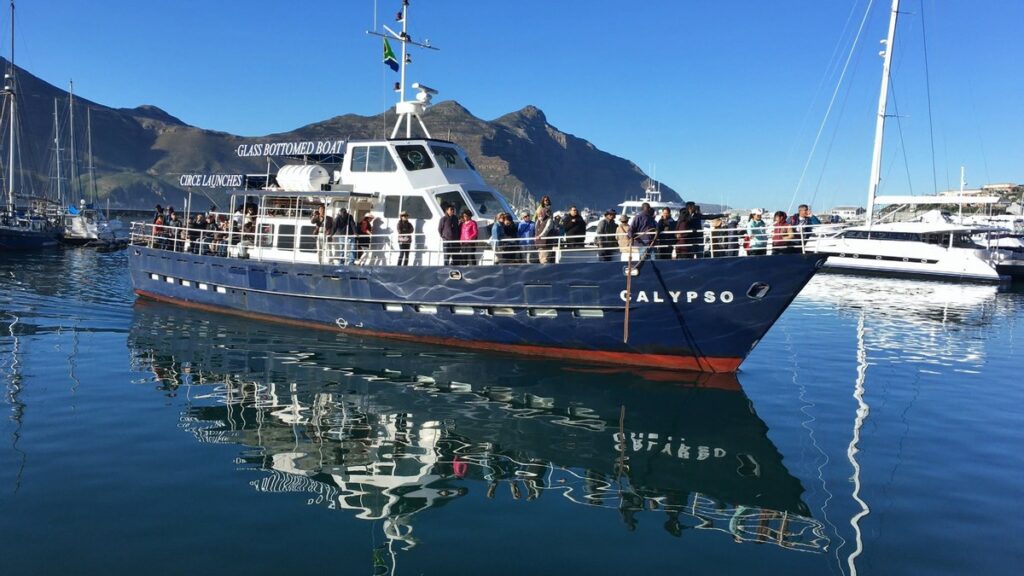
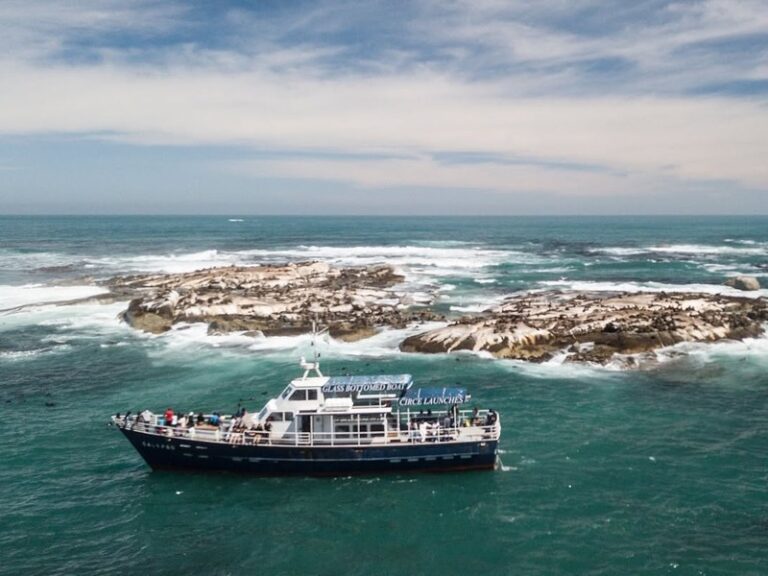
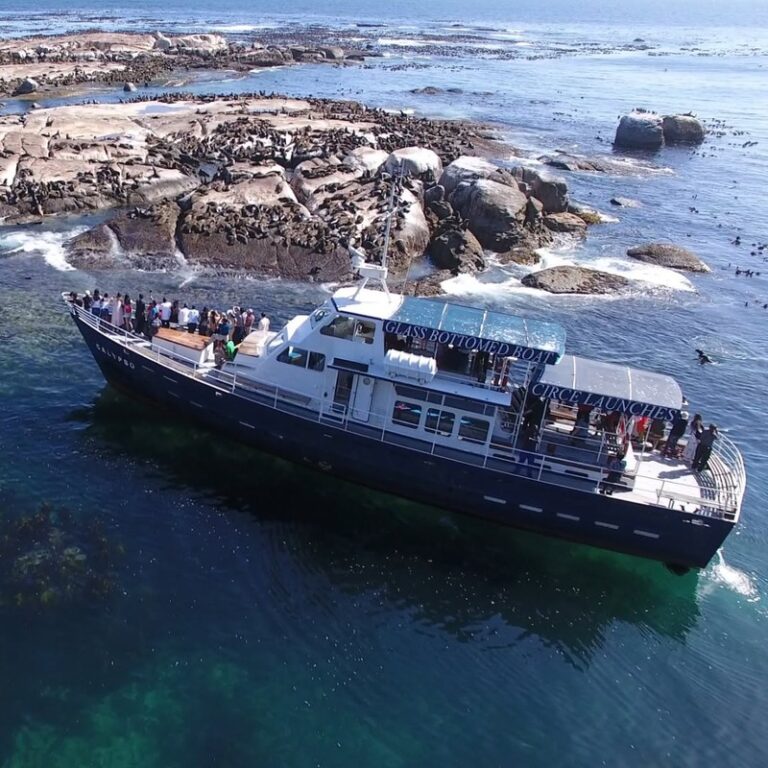
If Hermanus is too far for the day, False Bay has its own season. Southern right, humpback and Bryde’s whales move through between June and November, and these boat trips leave from Simon’s Town, running north to Seal Island or south towards Cape Point. Closer to the city, shorter day, same months.
Two boat trips run out of the same private marina in Simon’s Town, and between them they cover most of what False Bay has to show. The Seal Island cruise heads eight nautical miles north to the real Seal Island, a two-hectare rock carrying a large Cape fur seal colony along with seabirds and a small penguin population. The boat circles the island close in, which is where the trip earns itself: bull seals hauled out on the rocks, juveniles surfing the swell at the southern end, the whole colony audible before you see it.
The Cape Point cruise goes the other way, south along the Peninsula shoreline for roughly twelve miles, hugging the coast past a seaward view of the Boulders penguin colony and a small seal colony before rounding the Point itself. On calm days the boat noses into a sea cave. Looking south from there, the next landmass is Antarctica.
Whale and dolphin watching runs as a separate seasonal trip from June to November, when Southern Right, humpback and Bryde’s whales move through the bay. Sightings are never guaranteed, and these Seal Island trips are neither geared nor licensed to seek out great whites.
The Cape Point cruise departs twice daily at 10h30 and 14h00 and runs about two hours. The marina has a seated waiting area and boarding is wheelchair friendly, which is unusual for a small-boat trip.
Pelagic Shark Diving
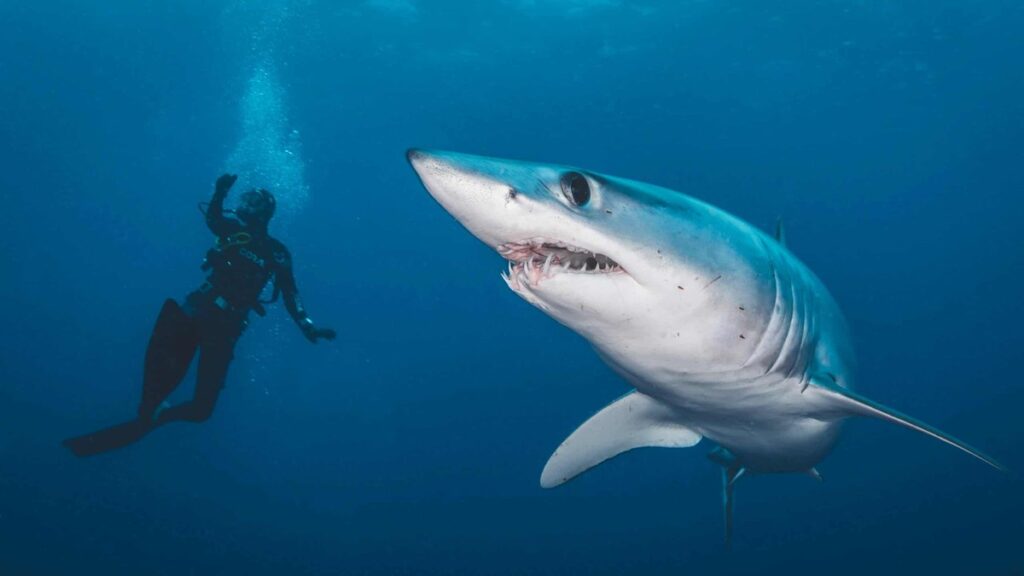
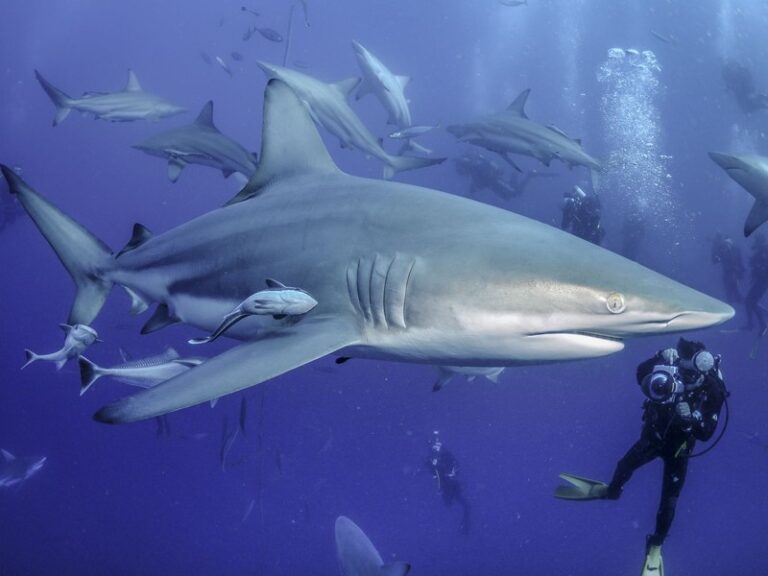
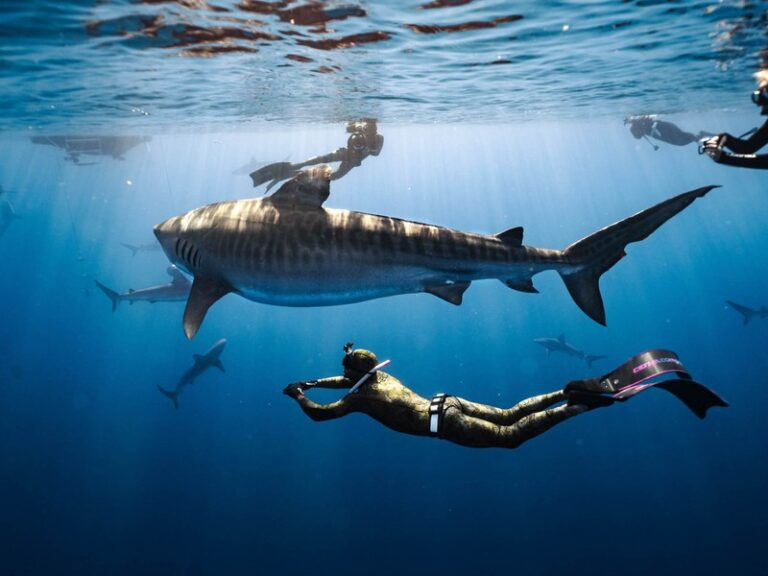
The exact counterweight to whale season. These full-day offshore trips from Simon’s Town go beyond Cape Point to dive or snorkel with blue sharks and shortfin makos, and the season runs November to June. Outside that window the trip does not run at all, so this one genuinely decides when you come.
This is the open-ocean version, not the cage. Boats leave Simon’s Town before dawn and run offshore beyond Cape Point until they find blue water, then drift and wait. Blue sharks and shortfin makos come to the boat and you get in with them, on a snorkel or on scuba, with no cage between you and the animal.
It is a full day. Departure is early, the run out takes hours, and the boat is back in the early to mid afternoon. Time in the water depends entirely on how the sharks behave and what the sea is doing.
The season runs November to June, when the water offshore is warm and blue enough to hold them. Outside that window the trip does not run.
Shark Cage Diving
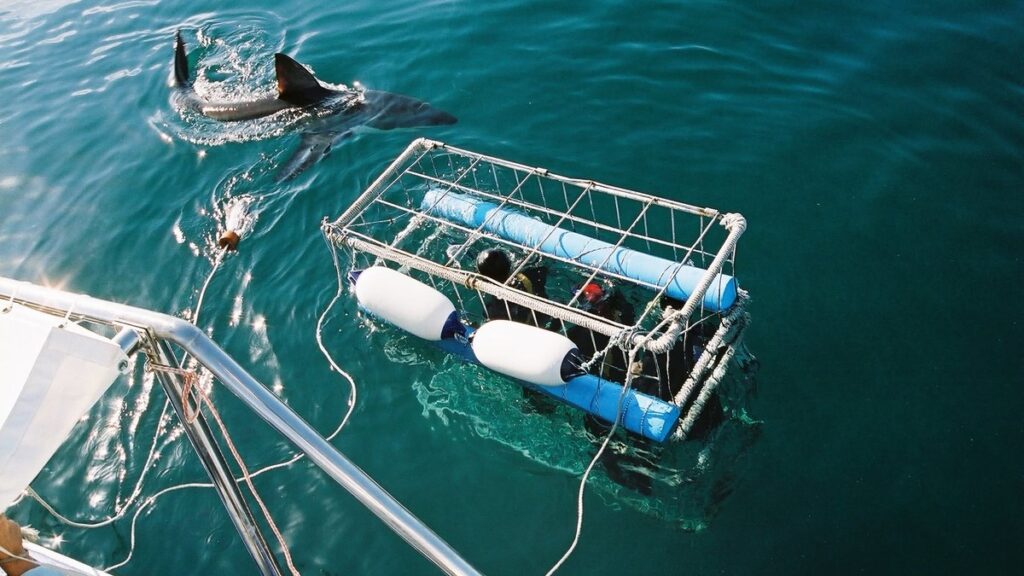
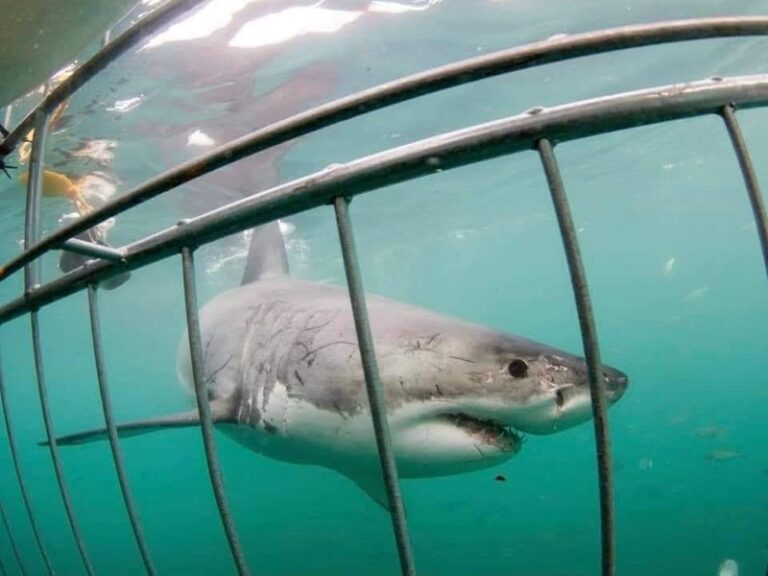
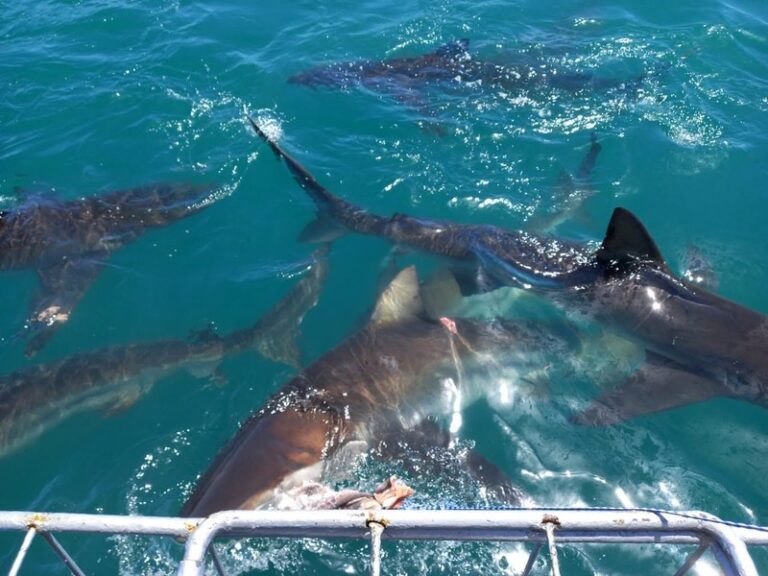
Cage diving from Kleinbaai harbour at Gansbaai, about two hours from the city, breath-hold only and no certification needed. Trips run all year, but sea and wind cancel sailings, usually with a day of notice. Build a spare day into the trip rather than pinning it to a single date.
Boats leave Kleinbaai harbour at Gansbaai and anchor about fifteen minutes out, over the shallow channel between the mainland and Dyer Island. The cage hangs off the side of the boat and you go in wearing a wetsuit, holding your breath and dropping under when a shark comes past. There is no scuba and no certification involved.
Be clear about what you are likely to see. Great white numbers off Gansbaai have fallen sharply in recent years, and the sharks that come to the boats now are usually bronze whalers and broadnose sevengills. A white shark is possible rather than expected.
You do not have to get in. Viewing from the deck is part of every trip, and plenty of people do the whole outing dry. The industry runs under a Department of Forestry, Fisheries and the Environment code of conduct.